
Breaking the Menopause Silence
Explore the decade-long menopause journey that starts in your 40s, from understanding symptoms to advocating for personalized care in this empowering guide.

Best quote from Breaking the Menopause Silence
Menopause isn't just a collection of isolated symptoms; it's a whole-body transition that affects multiple systems simultaneously. Understanding the 'why' behind these changes can be incredibly empowering, moving the narrative from something women must quietly endure to a transition they can navigate actively with the right support.

This audio lesson was created by a BeFreed community member
Menopause

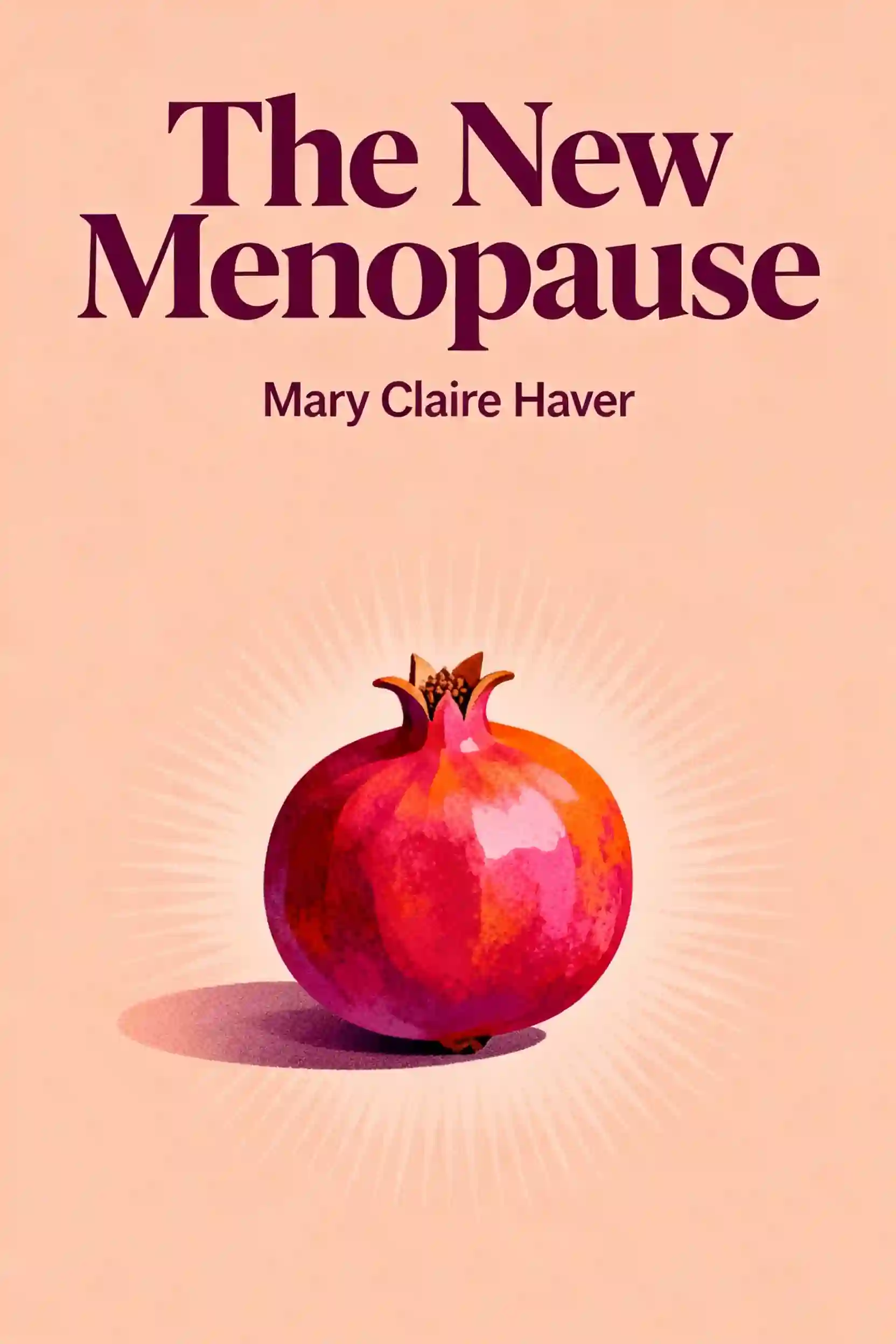
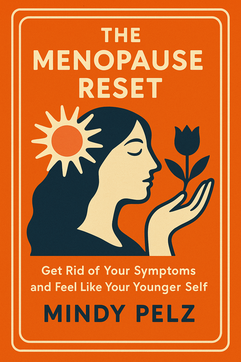
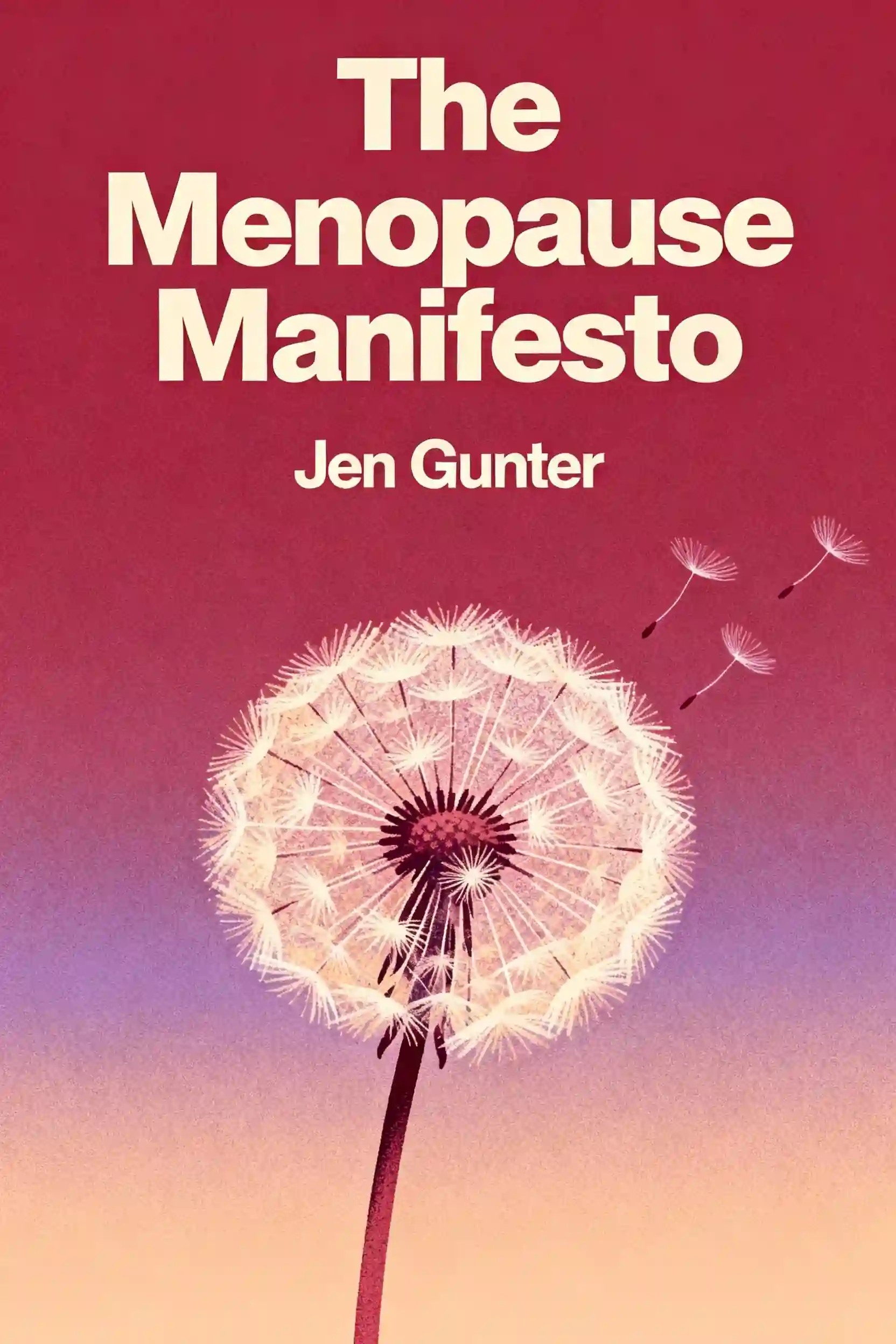
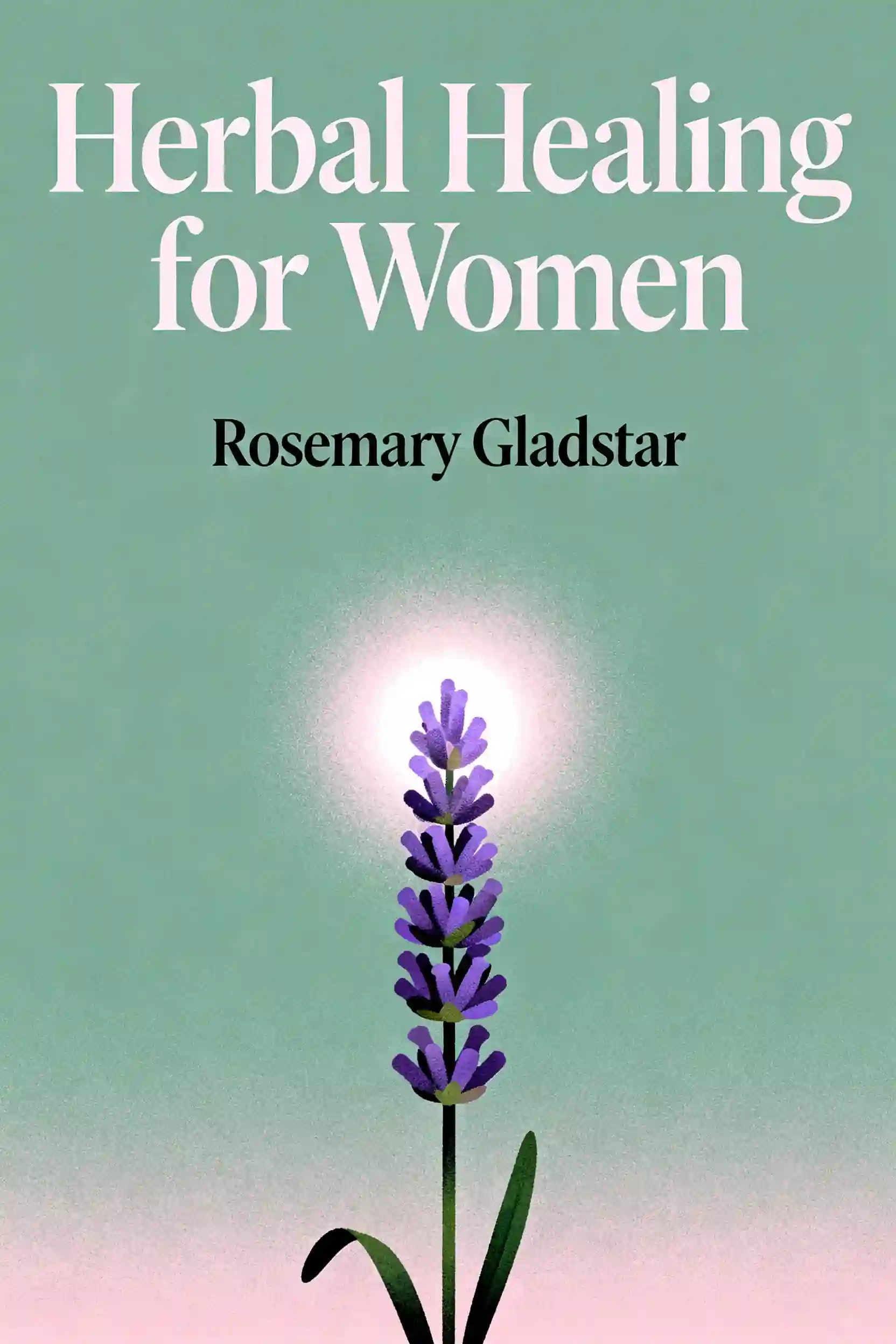
Discover more

Managing ADHD & Perimenopause with Self-Care
Managing ADHD & Perimenopause with Self-Care
Women with ADHD face unique challenges during perimenopause as hormonal shifts can intensify executive function difficulties and emotional regulation. This learning plan provides specialized knowledge and practical tools for women navigating this intersection, helping them transform overwhelming symptoms into manageable—even advantageous—experiences.

Health, Habits & Menopausal Muscle Build
Health, Habits & Menopausal Muscle Build
This plan is essential for midlife women seeking to reclaim their physical strength and metabolic health during the menopausal transition. It bridges the gap between hormonal science and practical fitness, offering a sustainable blueprint for long-term vitality.

Optimize healthspan as a 29-year-old male
Optimize healthspan as a 29-year-old male
This plan is essential for proactive men approaching their thirties who want to shift from passive aging to active health optimization. It bridges the gap between clinical longevity science and practical lifestyle interventions for peak performance.
The Balanced Woman: A Gentle Wellness System
The Balanced Woman: A Gentle Wellness System
Modern women often struggle with burnout and disconnected health advice that ignores their biological uniqueness. This system is designed for high-achievers and busy professionals seeking a science-backed, intuitive approach to health that honors their natural rhythms and feminine energy.

Break Shame and Build Sexual Confidence
Break Shame and Build Sexual Confidence
Societal taboos often leave individuals feeling disconnected from their own desires and bodies. This learning plan is designed for anyone seeking to replace shame with self-assurance, providing a roadmap for those ready to transform their intimate lives through vulnerability and mindful connection.
Explore Identity, Health, Love & Pleasure
Explore Identity, Health, Love & Pleasure
This comprehensive guide is designed for individuals seeking a holistic approach to self-improvement by bridging the gap between mental wellness and physical intimacy. It is ideal for anyone looking to align their authentic identity with sustainable health practices and deeper relational fulfillment.
Build discipline as expecting mom at 20
Build discipline as expecting mom at 20
This plan is designed for young women at age 20 who want to transition into motherhood with structure and purpose rather than overwhelm. It bridges the gap between youthful ambition and the discipline required for a healthy pregnancy and successful parenting.
Body, Pleasure, Health & Relationships
Body, Pleasure, Health & Relationships
This comprehensive guide bridges the gap between physical health and emotional intimacy for a truly holistic approach to wellness. It is ideal for individuals seeking to strengthen their mind-body connection while mastering the psychological foundations of healthy, lasting relationships.
From Columbia University alumni built in San Francisco
"Instead of endless scrolling, I just hit play on BeFreed. It saves me so much time."


"I never knew where to start with nonfiction—BeFreed’s book lists turned into podcasts gave me a clear path."


"Perfect balance between learning and entertainment. Finished ‘Thinking, Fast and Slow’ on my commute this week."
"Crazy how much I learned while walking the dog. BeFreed = small habits → big gains."
"Reading used to feel like a chore. Now it’s just part of my lifestyle."

"Feels effortless compared to reading. I’ve finished 6 books this month already."
"BeFreed turned my guilty doomscrolling into something that feels productive and inspiring."

"BeFreed turned my commute into learning time. 20-min podcasts are perfect for finishing books I never had time for."
"BeFreed replaced my podcast queue. Imagine Spotify for books — that’s it. 🙌"

"It is great for me to learn something from the book without reading it."
"The themed book list podcasts help me connect ideas across authors—like a guided audio journey."
"Makes me feel smarter every time before going to work"
From Columbia University alumni built in San Francisco
"Instead of endless scrolling, I just hit play on BeFreed. It saves me so much time."
"I never knew where to start with nonfiction—BeFreed’s book lists turned into podcasts gave me a clear path."
"Perfect balance between learning and entertainment. Finished ‘Thinking, Fast and Slow’ on my commute this week."
"Crazy how much I learned while walking the dog. BeFreed = small habits → big gains."
"Reading used to feel like a chore. Now it’s just part of my lifestyle."
"Feels effortless compared to reading. I’ve finished 6 books this month already."
"BeFreed turned my guilty doomscrolling into something that feels productive and inspiring."
"BeFreed turned my commute into learning time. 20-min podcasts are perfect for finishing books I never had time for."
"BeFreed replaced my podcast queue. Imagine Spotify for books — that’s it. 🙌"
"It is great for me to learn something from the book without reading it."
"The themed book list podcasts help me connect ideas across authors—like a guided audio journey."
"Makes me feel smarter every time before going to work"
"Instead of endless scrolling, I just hit play on BeFreed. It saves me so much time."
"I never knew where to start with nonfiction—BeFreed’s book lists turned into podcasts gave me a clear path."
"Perfect balance between learning and entertainment. Finished ‘Thinking, Fast and Slow’ on my commute this week."
"Crazy how much I learned while walking the dog. BeFreed = small habits → big gains."
"Reading used to feel like a chore. Now it’s just part of my lifestyle."
"Feels effortless compared to reading. I’ve finished 6 books this month already."
"BeFreed turned my guilty doomscrolling into something that feels productive and inspiring."
"BeFreed turned my commute into learning time. 20-min podcasts are perfect for finishing books I never had time for."
"BeFreed replaced my podcast queue. Imagine Spotify for books — that’s it. 🙌"
"It is great for me to learn something from the book without reading it."
"The themed book list podcasts help me connect ideas across authors—like a guided audio journey."
"Makes me feel smarter every time before going to work"
"Instead of endless scrolling, I just hit play on BeFreed. It saves me so much time."
"I never knew where to start with nonfiction—BeFreed’s book lists turned into podcasts gave me a clear path."
"Perfect balance between learning and entertainment. Finished ‘Thinking, Fast and Slow’ on my commute this week."
"Crazy how much I learned while walking the dog. BeFreed = small habits → big gains."
"Reading used to feel like a chore. Now it’s just part of my lifestyle."
"Feels effortless compared to reading. I’ve finished 6 books this month already."
"BeFreed turned my guilty doomscrolling into something that feels productive and inspiring."
"BeFreed turned my commute into learning time. 20-min podcasts are perfect for finishing books I never had time for."
"BeFreed replaced my podcast queue. Imagine Spotify for books — that’s it. 🙌"
"It is great for me to learn something from the book without reading it."
"The themed book list podcasts help me connect ideas across authors—like a guided audio journey."
"Makes me feel smarter every time before going to work"


