
Body image is about your relationship with yourself
Struggling with negative self-perception? Learn why shifting your mindset from ornament to instrument helps you reclaim agency and finally feel enough.

Best quote from Body image is about your relationship with yourself
Shifting a negative body image isn't actually about changing the body; it’s about changing your relationship to it. It’s moving from seeing your body as an ornament to be judged to an instrument for living.

This audio lesson was created by a BeFreed community member
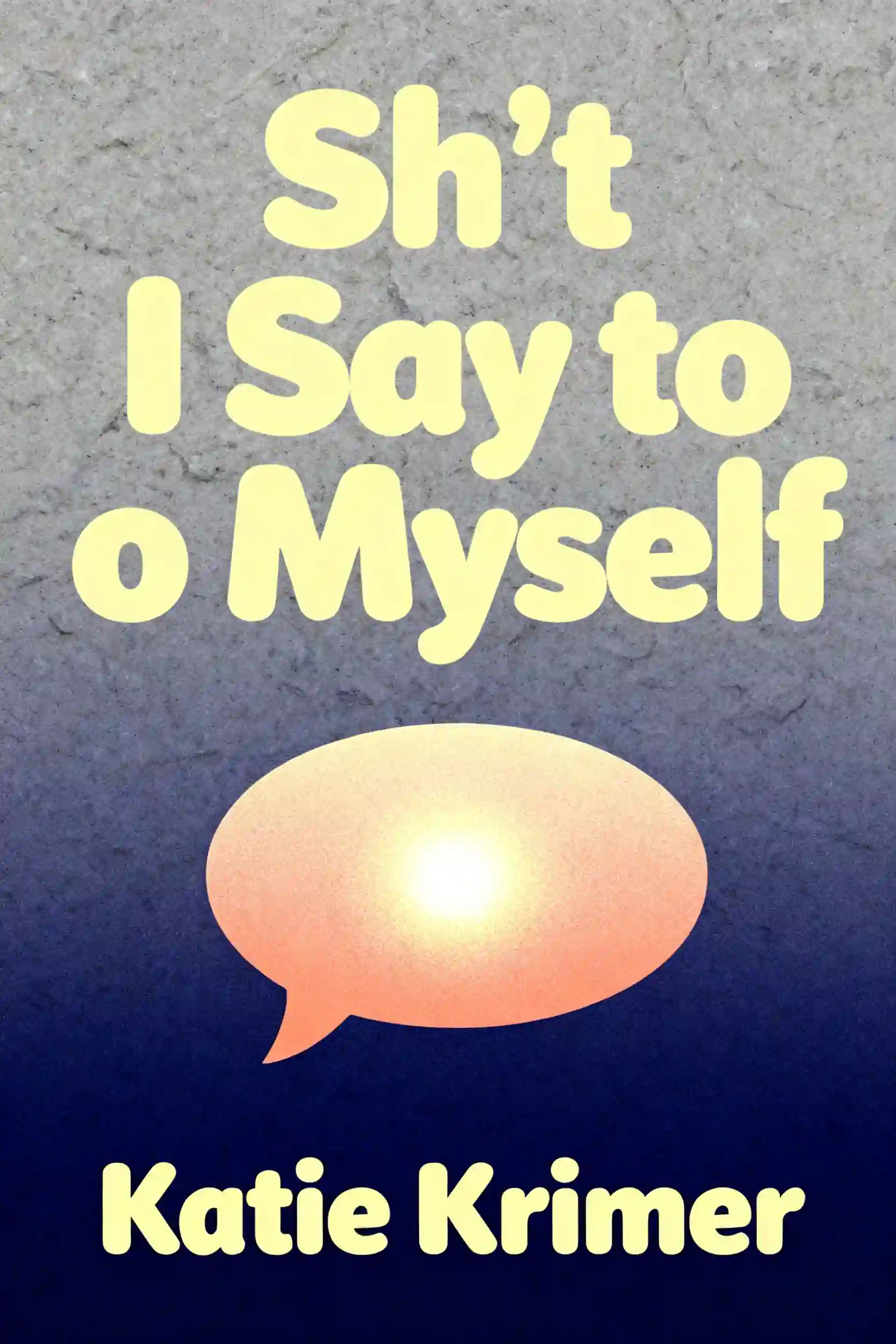
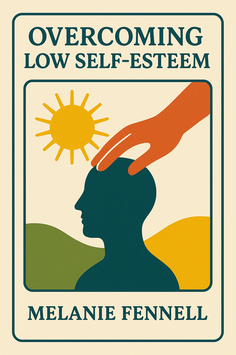
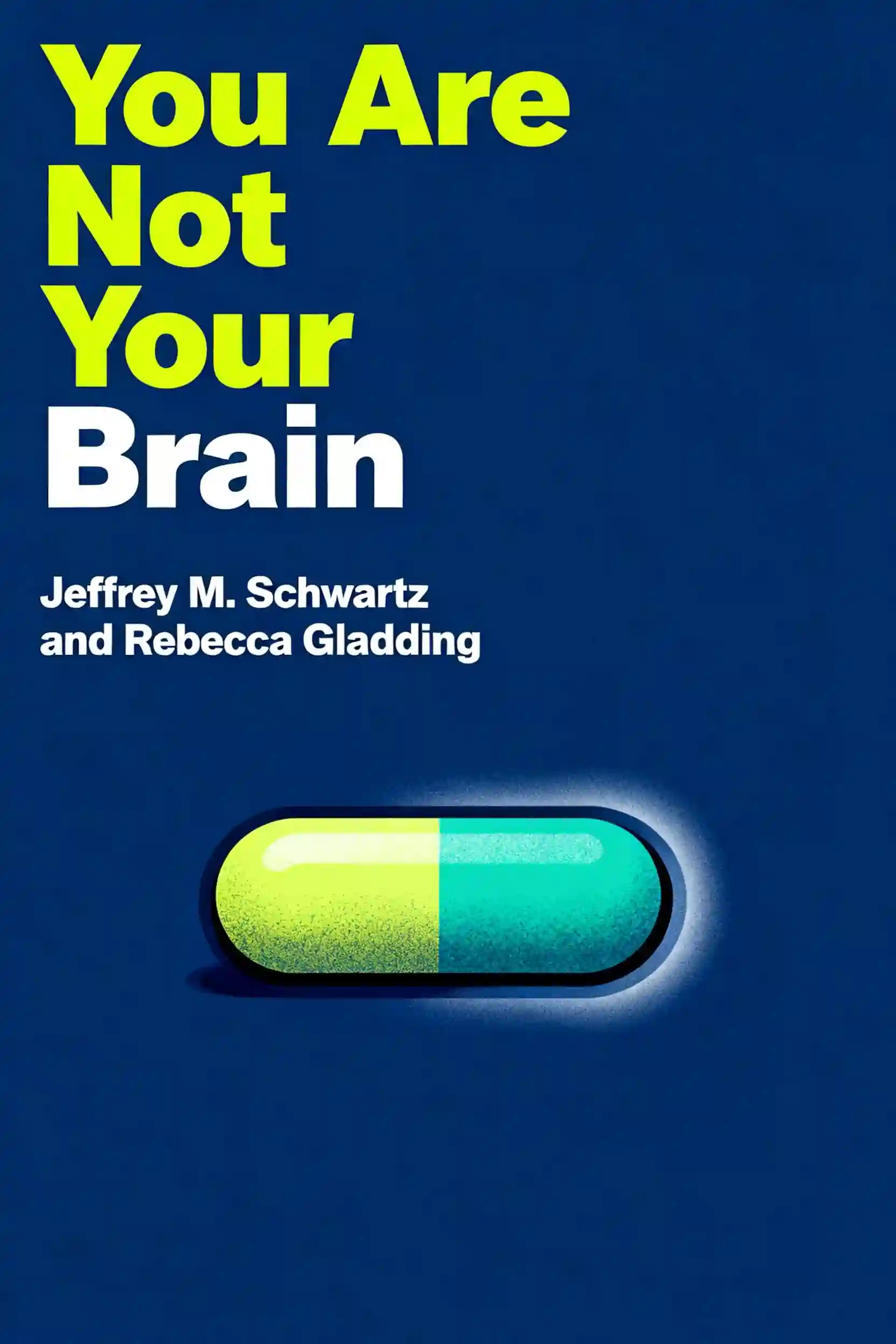
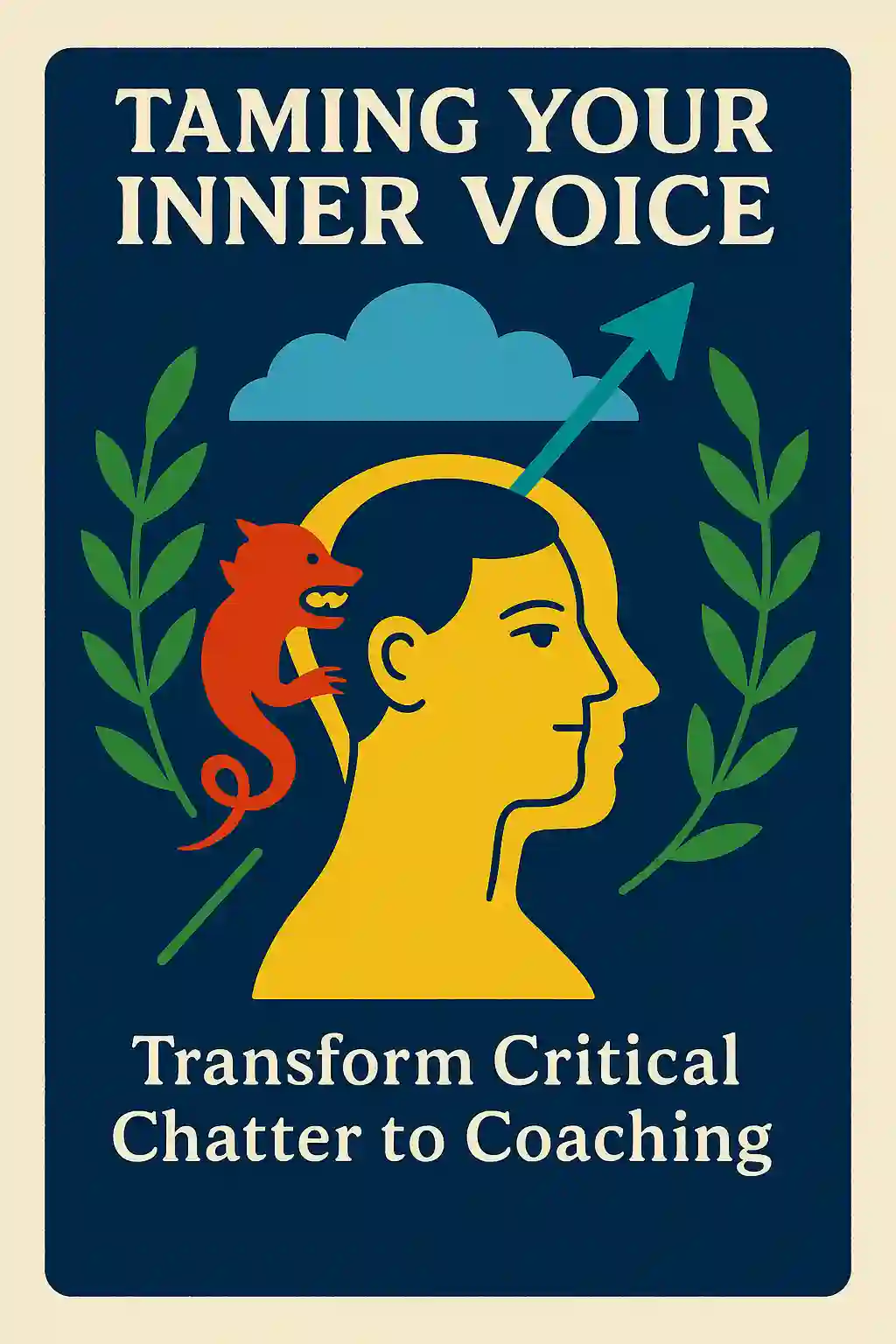
I want to find a way to repair the way that I think about myself because I feel like I look at myself negatively and I feel negatively about myself. I want to shift my thinking from purely looking negatively at myself to be believing I have agency in myself And that I can change my looks because I can change them, but it doesn’t matter if I can’t change how I feel about myself, which is what I need to shift.

Frequently Asked Questions
Viewing the body as an ornament means evaluating it primarily based on how it looks to others, treating oneself as an object to be judged. In contrast, seeing the body as an instrument shifts the focus to what the body does and how it feels from the inside out. This perspective emphasizes the body's function—such as its ability to hug friends, walk in a park, or breathe—allowing an individual to appreciate their body as a vessel for experiencing life rather than a decorative object.
CBT provides a "detective's toolkit" to challenge the automatic, negative thoughts often referred to as the "internal script" or "inner devil." By using tools like Thought Records, individuals can look for evidence for and against their self-criticisms to develop more balanced, accurate thoughts. Techniques such as Socratic questioning and decatastrophizing help separate one's identity from "cognitive glitches," moving the individual from a passive victim of their thoughts to an active participant who can choose how to respond to them.
Normative discontent refers to the widespread, socially accepted feeling of dissatisfaction with one's physical appearance. The script notes that this is often fueled by cultural beauty standards and social media images that are frequently filtered or AI-generated. This environment creates a "comparison trap" where individuals feel they are failing a test they didn't sign up for, even though biological reality dictates that people eating and moving the exact same way would still have different body shapes and sizes.
Yes, through a process called neuroplasticity, the brain can form new neural connections. When an individual consistently catches a negative thought and replaces it with a balanced one, they weaken the old "superhighway" of self-criticism and strengthen a new path of self-regard. This is described as mental training that requires consistency over intensity; by keeping small promises to oneself and practicing new thinking habits, the brain eventually adopts these healthier patterns as the default.
The concept of behavioral activation suggests that taking a small, positive action often precedes the feeling of motivation. Instead of waiting to feel good about themselves before engaging in life, individuals are encouraged to break the "inactivity cycle" by participating in small activities first. These actions provide real-world data that can debunk fears and build "self-efficacy," which is the belief in one's own ability to follow through on intentions and create change.
Discover more

Self, Body, Pleasure & Relationships
Self, Body, Pleasure & Relationships
This learning plan is essential for anyone seeking to heal their relationship with themselves and others by addressing the intersection of body image and emotional intimacy. It is designed for individuals ready to break free from shame and build a foundation of authentic connection and self-empowerment.

Explore Body, Desire, Identity & Health
Explore Body, Desire, Identity & Health
In a world of rigid standards, this plan offers a path to reclaiming your physical and emotional autonomy. It is designed for individuals seeking to align their daily habits with their true identity while fostering a healthier relationship with their body and desires.

Body, Love, & Life Stories
Body, Love, & Life Stories
This learning plan is essential for anyone seeking to reconcile their self-image with their emotional history and relationship patterns. It is ideal for individuals looking to heal their body image, understand their attachment style, and find the voice to tell their own story with power.

Learn self worth and become more attractive.
Learn self worth and become more attractive.
This plan is essential for individuals seeking to transform their self-image and social impact. It benefits anyone looking to replace insecurity with genuine confidence and master the psychological nuances of human attraction.

Learn to love myself
Learn to love myself
In a world driven by external validation, developing a resilient internal support system is essential for mental well-being. This plan is designed for anyone struggling with burnout, perfectionism, or a loud inner critic who wants to build a sustainable foundation of self-worth.

Self-Worth
Self-Worth
This plan is essential for anyone struggling with persistent self-doubt or a reliance on the approval of others to feel valuable. It provides a structured path to move from self-criticism to a resilient, value-based sense of identity.
Shift Identity, Self-Image & Communication
Shift Identity, Self-Image & Communication
This plan is essential for professionals and individuals feeling held back by old labels or social anxiety. It provides a psychological roadmap for anyone looking to reinvent their public persona and master the art of high-stakes interpersonal influence.
Build mindset, self-esteem, and confidence
Build mindset, self-esteem, and confidence
This plan is essential for anyone struggling with self-doubt or feeling stuck in a fixed mindset. It provides a structured path for professionals and individuals to transform their internal narrative into one of courage and resilient self-belief.
From Columbia University alumni built in San Francisco
"Instead of endless scrolling, I just hit play on BeFreed. It saves me so much time."


"I never knew where to start with nonfiction—BeFreed’s book lists turned into podcasts gave me a clear path."


"Perfect balance between learning and entertainment. Finished ‘Thinking, Fast and Slow’ on my commute this week."
"Crazy how much I learned while walking the dog. BeFreed = small habits → big gains."
"Reading used to feel like a chore. Now it’s just part of my lifestyle."

"Feels effortless compared to reading. I’ve finished 6 books this month already."
"BeFreed turned my guilty doomscrolling into something that feels productive and inspiring."

"BeFreed turned my commute into learning time. 20-min podcasts are perfect for finishing books I never had time for."
"BeFreed replaced my podcast queue. Imagine Spotify for books — that’s it. 🙌"

"It is great for me to learn something from the book without reading it."
"The themed book list podcasts help me connect ideas across authors—like a guided audio journey."
"Makes me feel smarter every time before going to work"
From Columbia University alumni built in San Francisco
"Instead of endless scrolling, I just hit play on BeFreed. It saves me so much time."
"I never knew where to start with nonfiction—BeFreed’s book lists turned into podcasts gave me a clear path."
"Perfect balance between learning and entertainment. Finished ‘Thinking, Fast and Slow’ on my commute this week."
"Crazy how much I learned while walking the dog. BeFreed = small habits → big gains."
"Reading used to feel like a chore. Now it’s just part of my lifestyle."
"Feels effortless compared to reading. I’ve finished 6 books this month already."
"BeFreed turned my guilty doomscrolling into something that feels productive and inspiring."
"BeFreed turned my commute into learning time. 20-min podcasts are perfect for finishing books I never had time for."
"BeFreed replaced my podcast queue. Imagine Spotify for books — that’s it. 🙌"
"It is great for me to learn something from the book without reading it."
"The themed book list podcasts help me connect ideas across authors—like a guided audio journey."
"Makes me feel smarter every time before going to work"
"Instead of endless scrolling, I just hit play on BeFreed. It saves me so much time."
"I never knew where to start with nonfiction—BeFreed’s book lists turned into podcasts gave me a clear path."
"Perfect balance between learning and entertainment. Finished ‘Thinking, Fast and Slow’ on my commute this week."
"Crazy how much I learned while walking the dog. BeFreed = small habits → big gains."
"Reading used to feel like a chore. Now it’s just part of my lifestyle."
"Feels effortless compared to reading. I’ve finished 6 books this month already."
"BeFreed turned my guilty doomscrolling into something that feels productive and inspiring."
"BeFreed turned my commute into learning time. 20-min podcasts are perfect for finishing books I never had time for."
"BeFreed replaced my podcast queue. Imagine Spotify for books — that’s it. 🙌"
"It is great for me to learn something from the book without reading it."
"The themed book list podcasts help me connect ideas across authors—like a guided audio journey."
"Makes me feel smarter every time before going to work"
"Instead of endless scrolling, I just hit play on BeFreed. It saves me so much time."
"I never knew where to start with nonfiction—BeFreed’s book lists turned into podcasts gave me a clear path."
"Perfect balance between learning and entertainment. Finished ‘Thinking, Fast and Slow’ on my commute this week."
"Crazy how much I learned while walking the dog. BeFreed = small habits → big gains."
"Reading used to feel like a chore. Now it’s just part of my lifestyle."
"Feels effortless compared to reading. I’ve finished 6 books this month already."
"BeFreed turned my guilty doomscrolling into something that feels productive and inspiring."
"BeFreed turned my commute into learning time. 20-min podcasts are perfect for finishing books I never had time for."
"BeFreed replaced my podcast queue. Imagine Spotify for books — that’s it. 🙌"
"It is great for me to learn something from the book without reading it."
"The themed book list podcasts help me connect ideas across authors—like a guided audio journey."
"Makes me feel smarter every time before going to work"


