
Blood and Iron: Germany’s Rise to Power
Discover how Otto von Bismarck used cold-blooded diplomacy and strategic warfare to forge a unified German superpower from a patchwork of states, setting the stage for World War I.

Best quote from Blood and Iron: Germany’s Rise to Power
The great questions of the day will not be settled by speeches or majority decisions, but by blood and iron.

This audio lesson was created by a BeFreed community member
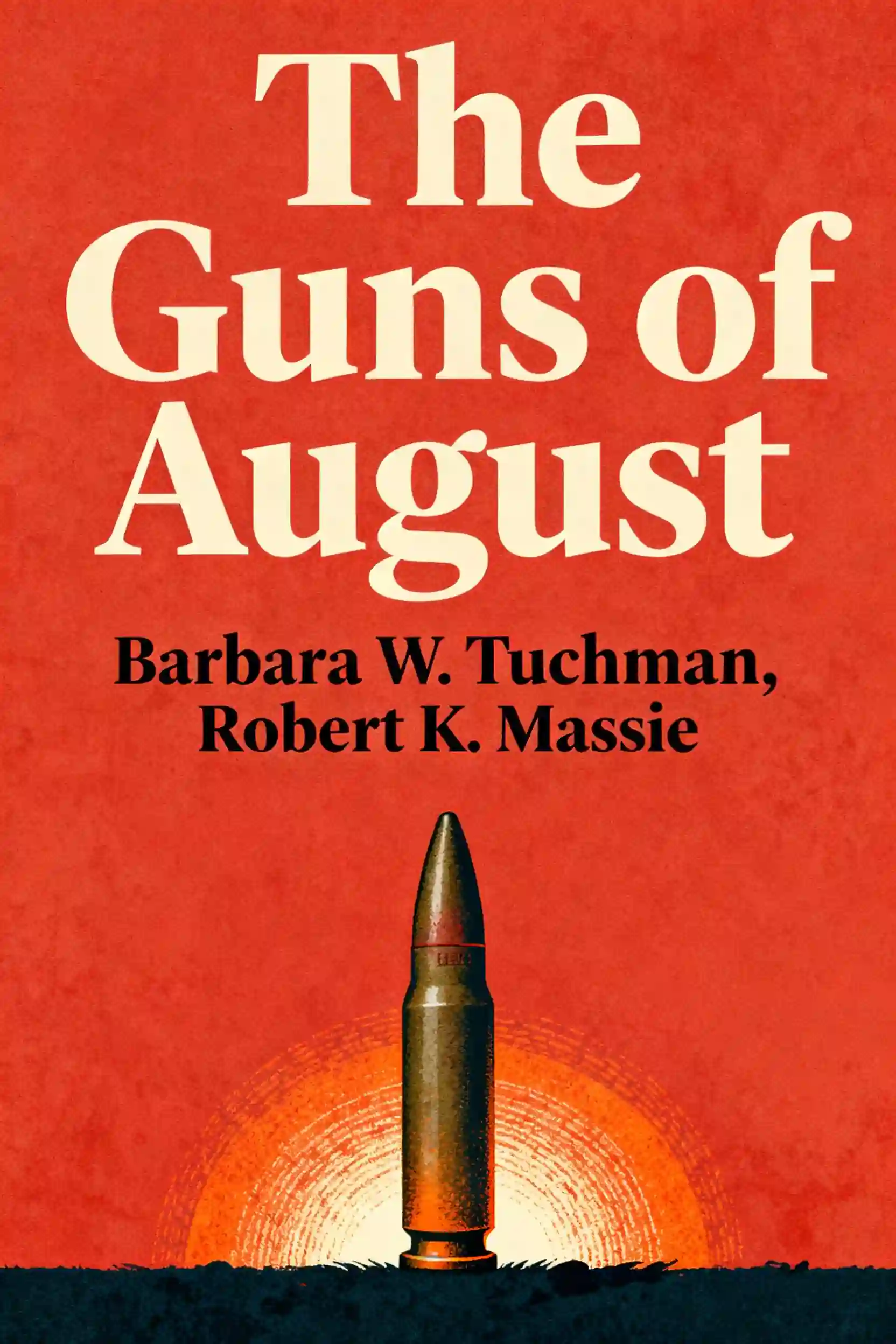
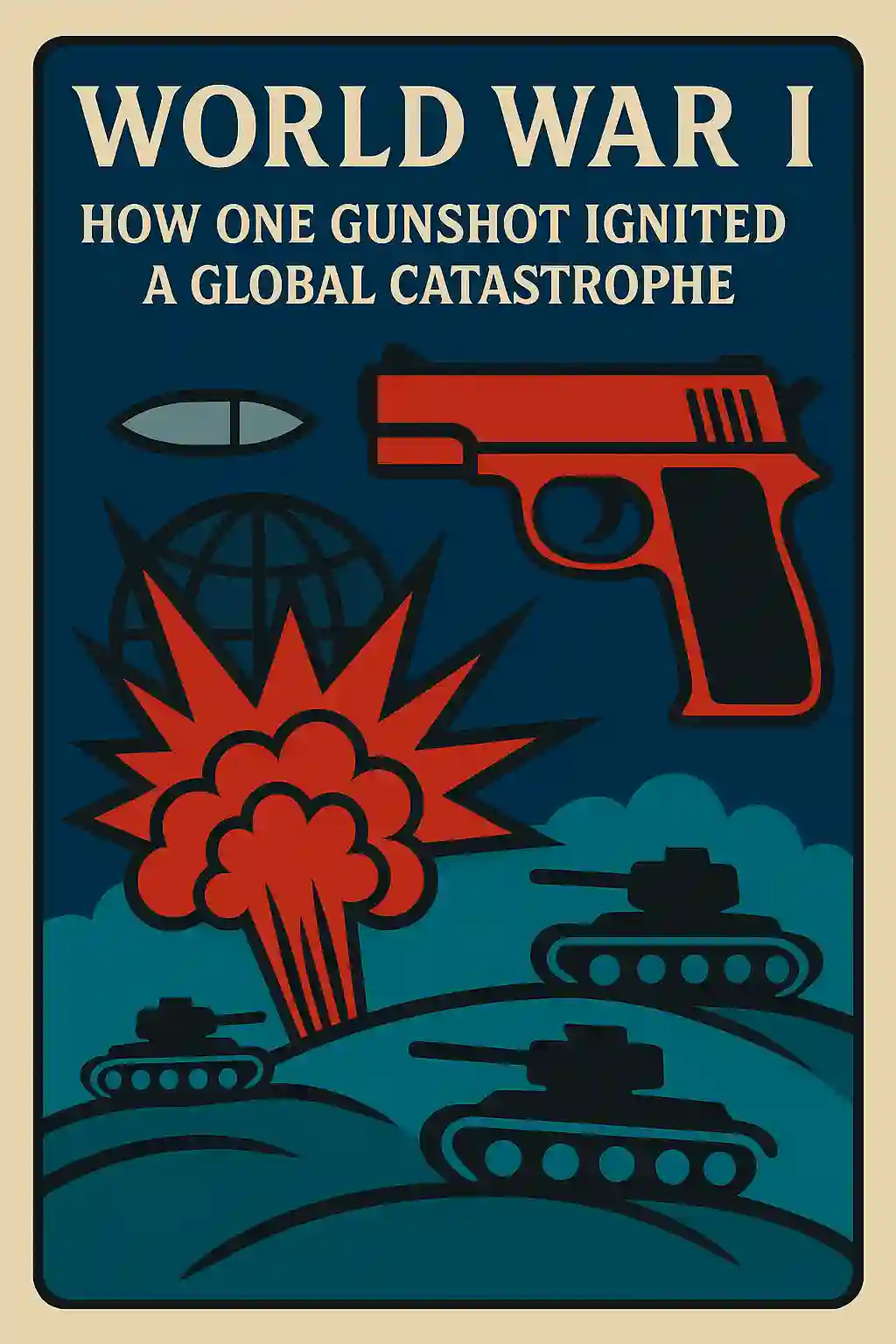
A history of Germany leading up to ww1. Including ottoman von bismarck


Frequently Asked Questions
Bismarck’s "Blood and Iron" philosophy was the belief that the great questions of the day and the unification of Germany would not be settled by speeches, constitutions, or majority votes, but through military force and industrial might. He argued that the map of Europe would be redrawn by soldiers rather than lawyers. This pragmatic and often ruthless approach, known as Realpolitik, prioritized practical results and the exercise of power over moral or ideological considerations.
Prussia’s rapid success was driven by a modernized military funded through Bismarck’s "illegal" tax collection and engineered through three strategic wars. Bismarck first allied with Austria to defeat Denmark, then turned on Austria in the Seven Weeks' War to expel them from German affairs, and finally provoked France into the Franco-Prussian War. This final conflict served as a "national moment" that compelled the independent southern German states to unite with the north against a common enemy, leading to the proclamation of the German Empire in 1871.
Bismarck introduced health insurance, accident insurance, and old age pensions in the 1880s not out of liberal conviction, but as a cynical tool of Realpolitik. He viewed socialism as a "disease" and a threat to the monarchy. By providing state-sponsored social security, he aimed to "buy" the loyalty of the working class and domesticate them, making them less likely to join revolutionary socialist movements.
Under Kaiser Wilhelm I, Bismarck maintained a complex web of secret treaties to keep France isolated and prevent a two-front war. However, the young and impulsive Wilhelm II dismissed Bismarck and allowed the Reinsurance Treaty with Russia to expire. This pushed Russia to form an alliance with France, creating the "nightmare" Bismarck had feared. Wilhelm II further isolated Germany by starting a naval arms race with Britain and pursuing an aggressive "place in the sun," turning former friends into rivals.
Germany viewed the declining Ottoman Empire as a strategic partner to bypass British-controlled sea lanes and expand influence into the East. The centerpiece of this relationship was the "Berlin to Baghdad" railway, which was intended to provide Germany with land-based access to the Persian Gulf. By sending military advisors to the Ottomans and declaring himself a friend to the Muslim world, the Kaiser hoped to challenge British and French colonial interests, though this ultimately tightened the "encirclement" of Germany by its suspicious neighbors.
Discover more

German History & Politics 1890-2000 Study
German History & Politics 1890-2000 Study
This study plan provides a comprehensive overview of Germany's most turbulent century, essential for understanding modern European geopolitics. It is ideal for students of international relations, history enthusiasts, and anyone seeking to understand how a nation rebuilds from total collapse to democratic leadership.

Study Germany, STEM, Hitler & Great Noticing
Study Germany, STEM, Hitler & Great Noticing
This plan bridges the gap between scientific history and political sociology, offering a deep dive into Germany's dual legacy of innovation and totalitarianism. It is ideal for history buffs, engineers, and social scientists seeking to understand how culture and memory shape a nation's future.

WW2 German & Roman history + conspiracies
WW2 German & Roman history + conspiracies
This learning plan offers a comparative analysis of two of history's most influential empires, examining their political systems, military strategies, and ultimate downfalls. Ideal for history enthusiasts, students, and anyone interested in understanding how these regimes continue to influence modern politics, warfare, and conspiracy theories.

Weimar Republic: Rise, Crises & Nazi Takeover
Weimar Republic: Rise, Crises & Nazi Takeover
This course is essential for history enthusiasts and political science students seeking to understand how fragile democracies can succumb to extremism. It provides a deep dive into the socio-economic triggers and legal loopholes that allowed for the Nazi rise to power.
Learn about first world war
Learn about first world war
The First World War fundamentally reshaped our modern world, from geopolitical boundaries to social structures. This learning plan offers essential historical context for understanding current international relations, military conflicts, and the development of modern political systems.
War's Social Impact, Machinery & Metalwork
War's Social Impact, Machinery & Metalwork
This plan bridge the gap between social history and industrial engineering, showing how conflict accelerates technological progress. It is ideal for history enthusiasts, industrial designers, and policy students seeking to understand the deep links between military innovation and modern society.
History of the world wars
History of the world wars
This learning plan provides essential context for understanding the modern world, as the two world wars fundamentally transformed global politics, economics, and society in ways that still resonate today. It's ideal for history enthusiasts, students of international relations, educators, and anyone seeking to comprehend how 20th-century conflicts shaped current geopolitical dynamics, humanitarian law, and our collective responsibility to prevent future atrocities.
Medieval England 1400-1600, war of roses
Medieval England 1400-1600, war of roses
This plan provides a comprehensive look at the pivotal transition from medieval stability to the transformative Tudor era. It is ideal for history enthusiasts and students seeking to understand how dynastic warfare and cultural shifts forged the modern English state.
From Columbia University alumni built in San Francisco
"Instead of endless scrolling, I just hit play on BeFreed. It saves me so much time."


"I never knew where to start with nonfiction—BeFreed’s book lists turned into podcasts gave me a clear path."


"Perfect balance between learning and entertainment. Finished ‘Thinking, Fast and Slow’ on my commute this week."
"Crazy how much I learned while walking the dog. BeFreed = small habits → big gains."
"Reading used to feel like a chore. Now it’s just part of my lifestyle."

"Feels effortless compared to reading. I’ve finished 6 books this month already."
"BeFreed turned my guilty doomscrolling into something that feels productive and inspiring."

"BeFreed turned my commute into learning time. 20-min podcasts are perfect for finishing books I never had time for."
"BeFreed replaced my podcast queue. Imagine Spotify for books — that’s it. 🙌"

"It is great for me to learn something from the book without reading it."
"The themed book list podcasts help me connect ideas across authors—like a guided audio journey."
"Makes me feel smarter every time before going to work"
From Columbia University alumni built in San Francisco
"Instead of endless scrolling, I just hit play on BeFreed. It saves me so much time."
"I never knew where to start with nonfiction—BeFreed’s book lists turned into podcasts gave me a clear path."
"Perfect balance between learning and entertainment. Finished ‘Thinking, Fast and Slow’ on my commute this week."
"Crazy how much I learned while walking the dog. BeFreed = small habits → big gains."
"Reading used to feel like a chore. Now it’s just part of my lifestyle."
"Feels effortless compared to reading. I’ve finished 6 books this month already."
"BeFreed turned my guilty doomscrolling into something that feels productive and inspiring."
"BeFreed turned my commute into learning time. 20-min podcasts are perfect for finishing books I never had time for."
"BeFreed replaced my podcast queue. Imagine Spotify for books — that’s it. 🙌"
"It is great for me to learn something from the book without reading it."
"The themed book list podcasts help me connect ideas across authors—like a guided audio journey."
"Makes me feel smarter every time before going to work"
"Instead of endless scrolling, I just hit play on BeFreed. It saves me so much time."
"I never knew where to start with nonfiction—BeFreed’s book lists turned into podcasts gave me a clear path."
"Perfect balance between learning and entertainment. Finished ‘Thinking, Fast and Slow’ on my commute this week."
"Crazy how much I learned while walking the dog. BeFreed = small habits → big gains."
"Reading used to feel like a chore. Now it’s just part of my lifestyle."
"Feels effortless compared to reading. I’ve finished 6 books this month already."
"BeFreed turned my guilty doomscrolling into something that feels productive and inspiring."
"BeFreed turned my commute into learning time. 20-min podcasts are perfect for finishing books I never had time for."
"BeFreed replaced my podcast queue. Imagine Spotify for books — that’s it. 🙌"
"It is great for me to learn something from the book without reading it."
"The themed book list podcasts help me connect ideas across authors—like a guided audio journey."
"Makes me feel smarter every time before going to work"
"Instead of endless scrolling, I just hit play on BeFreed. It saves me so much time."
"I never knew where to start with nonfiction—BeFreed’s book lists turned into podcasts gave me a clear path."
"Perfect balance between learning and entertainment. Finished ‘Thinking, Fast and Slow’ on my commute this week."
"Crazy how much I learned while walking the dog. BeFreed = small habits → big gains."
"Reading used to feel like a chore. Now it’s just part of my lifestyle."
"Feels effortless compared to reading. I’ve finished 6 books this month already."
"BeFreed turned my guilty doomscrolling into something that feels productive and inspiring."
"BeFreed turned my commute into learning time. 20-min podcasts are perfect for finishing books I never had time for."
"BeFreed replaced my podcast queue. Imagine Spotify for books — that’s it. 🙌"
"It is great for me to learn something from the book without reading it."
"The themed book list podcasts help me connect ideas across authors—like a guided audio journey."
"Makes me feel smarter every time before going to work"


