
How to Rebuild Trust and Stop the Cycle of Accusation After Betrayal
Learn how to break the cycle of constant accusations and emotional withdrawal after betrayal. Discover steps to rebuild trust and heal your relationship.

Best quote from How to Rebuild Trust and Stop the Cycle of Accusation After Betrayal
Privacy is a right in a healthy relationship, but transparency is a requirement in a healing one. Trust is rebuilt on random Tuesday nights when you do exactly what you said you would do.

This audio lesson was created by a BeFreed community member
I betrayed the woman I love and then she stayed with me but she can’t stop accusing me and it makes me ignore her and leave her alone a lot what can I do

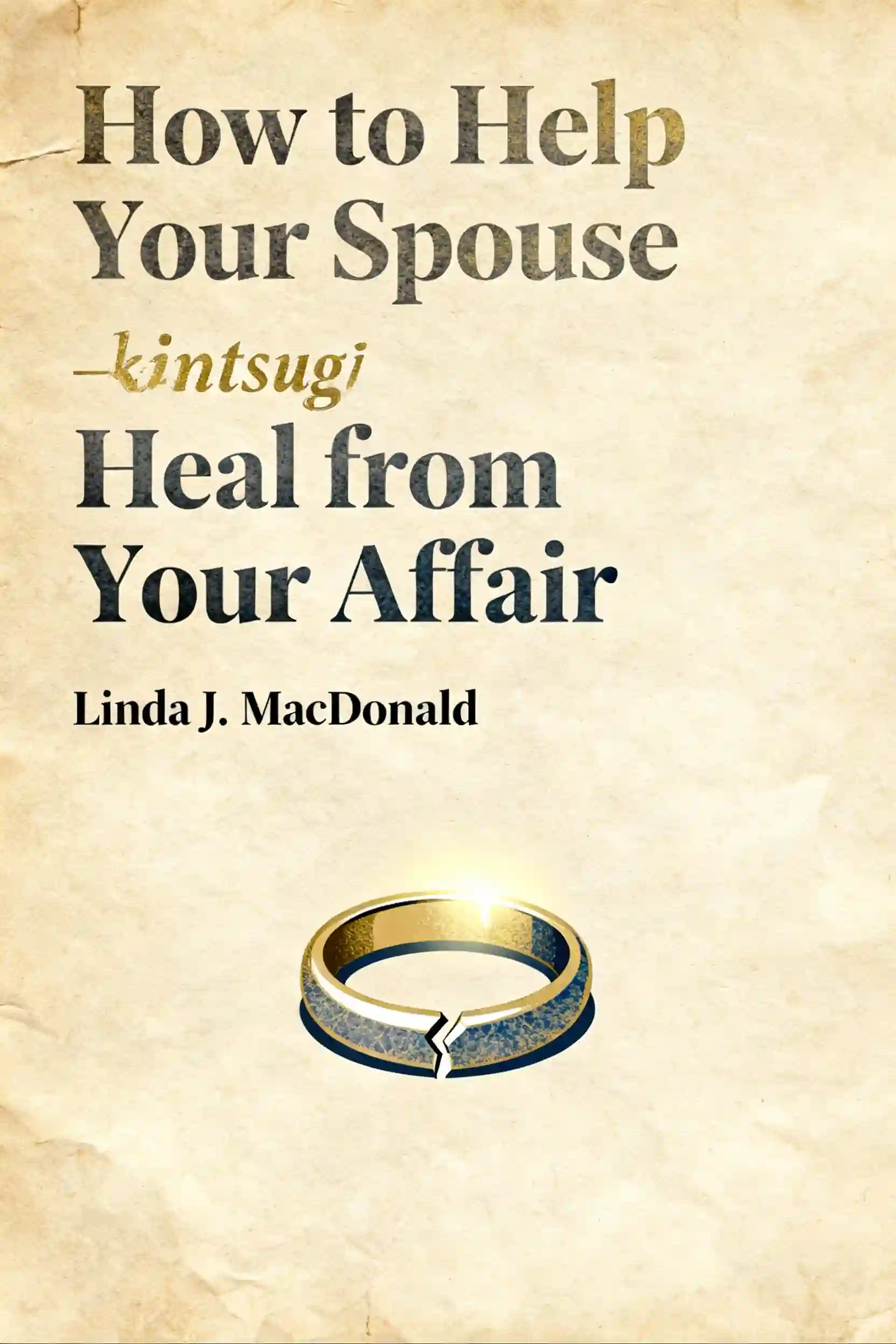
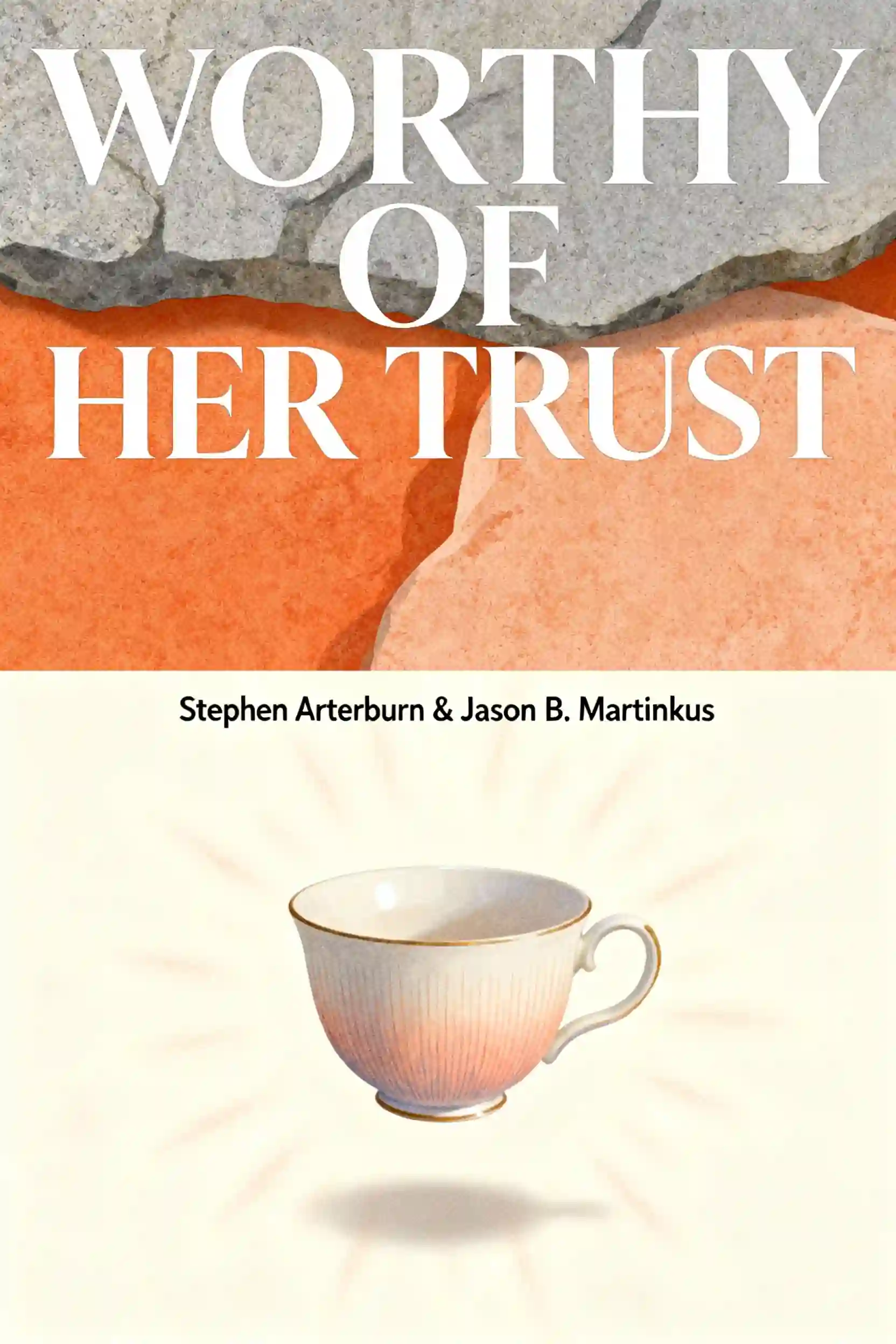



Frequently Asked Questions
Stopping the cycle requires both partners to address the underlying pain rather than just the symptoms of the conflict. The partner who was hurt often uses accusations as a defense mechanism to process their pain, while the partner who betrayed may withdraw to avoid shame. To break this, you must create a safe space for honest communication where the hurt partner feels heard without the other person retreating or becoming defensive.
Emotional withdrawal is a common response to the guilt and overwhelm felt during infidelity recovery. When faced with constant reminders of your mistake, you may leave or ignore your partner as a way to protect yourself from emotional distress. However, this avoidance often increases your partner's anxiety and leads to more accusations. Recognizing this pattern is the first step toward staying present and helping your partner feel secure again.
Rebuilding trust after betrayal is a long-term process that starts with total transparency and consistent actions. You must be willing to answer difficult questions and provide reassurance even when it feels repetitive. Healing after cheating requires the betraying partner to demonstrate reliability over time while the hurt partner works on processing their triggers. Professional relationship advice can also help navigate these complex emotional stages and prevent further conflict cycles.
To help your partner feel secure, you must move toward them rather than ignoring them when they express hurt. Consistent, proactive honesty about your whereabouts and feelings can lower their need to investigate or accuse. By staying engaged during difficult conversations instead of leaving, you prove that you are committed to the relationship's recovery. This presence is essential for de-escalating conflict and fostering a sense of safety.
Discover more

Rebuild Trust After Betrayal
Rebuild Trust After Betrayal
Betrayal can shatter even the strongest relationships, leaving lasting emotional wounds that seem impossible to heal. This learning plan provides practical strategies for those committed to rebuilding trust and transforming their relationships after experiencing betrayal, whether in romantic partnerships, friendships, or family connections.
Recover from betrayal & life-changing breakup
Recover from betrayal & life-changing breakup
Betrayal in intimate relationships can shatter your sense of self and security, leaving deep emotional wounds that require intentional healing. This learning plan provides evidence-based strategies for processing trauma, rebuilding self-worth, and creating a foundation for healthy relationships after experiencing significant betrayal.

Rebuild trust and overcome resentment
Rebuild trust and overcome resentment
This plan is essential for individuals struggling with the weight of past betrayals or persistent anger in their relationships. It provides a structured path for those ready to move beyond pain toward emotional stability and authentic connection.
Restore trust and intimacy in marriage
Restore trust and intimacy in marriage
This learning plan is designed for couples struggling to navigate the aftermath of a major breach of trust. It provides a structured roadmap for partners to move beyond betrayal by focusing on psychological healing, transparent communication, and the intentional restoration of intimacy.
Heal shame & master conflicts
Heal shame & master conflicts
Shame and unresolved conflicts damage relationships, career growth, and mental health, yet most people never learn the skills to address them effectively. This learning plan combines research-backed approaches from psychology, negotiation science, and relationship studies to help anyone struggling with self-criticism, avoiding difficult conversations, or feeling stuck in recurring conflicts. Whether you're navigating workplace tensions, personal relationships, or your own inner critic, these skills are fundamental to living authentically and building meaningful connections.
overcome emotional affair
overcome emotional affair
Emotional affairs can be as devastating as physical infidelity, leaving partners struggling with betrayal, broken trust, and uncertainty about their relationship's future. This learning plan is essential for couples navigating the aftermath of emotional infidelity, individuals seeking to understand and heal from betrayal trauma, or anyone wanting to affair-proof their relationship through stronger boundaries and deeper connection.

Revenging a manipulator
Revenging a manipulator
This plan is essential for anyone seeking to break free from toxic cycles and reclaim their autonomy. It provides a strategic roadmap for victims of manipulation to transform into empowered survivors through psychological mastery and boundary setting.
Heal from Bipolar Narcissist & Infidelity
Heal from Bipolar Narcissist & Infidelity
This plan is designed for individuals navigating the aftermath of complex betrayal trauma and emotional abuse. It provides a structured path to physiological healing and psychological empowerment for those ready to reclaim their identity.
From Columbia University alumni built in San Francisco
"Instead of endless scrolling, I just hit play on BeFreed. It saves me so much time."


"I never knew where to start with nonfiction—BeFreed’s book lists turned into podcasts gave me a clear path."


"Perfect balance between learning and entertainment. Finished ‘Thinking, Fast and Slow’ on my commute this week."
"Crazy how much I learned while walking the dog. BeFreed = small habits → big gains."
"Reading used to feel like a chore. Now it’s just part of my lifestyle."

"Feels effortless compared to reading. I’ve finished 6 books this month already."
"BeFreed turned my guilty doomscrolling into something that feels productive and inspiring."

"BeFreed turned my commute into learning time. 20-min podcasts are perfect for finishing books I never had time for."
"BeFreed replaced my podcast queue. Imagine Spotify for books — that’s it. 🙌"

"It is great for me to learn something from the book without reading it."
"The themed book list podcasts help me connect ideas across authors—like a guided audio journey."
"Makes me feel smarter every time before going to work"
From Columbia University alumni built in San Francisco
"Instead of endless scrolling, I just hit play on BeFreed. It saves me so much time."
"I never knew where to start with nonfiction—BeFreed’s book lists turned into podcasts gave me a clear path."
"Perfect balance between learning and entertainment. Finished ‘Thinking, Fast and Slow’ on my commute this week."
"Crazy how much I learned while walking the dog. BeFreed = small habits → big gains."
"Reading used to feel like a chore. Now it’s just part of my lifestyle."
"Feels effortless compared to reading. I’ve finished 6 books this month already."
"BeFreed turned my guilty doomscrolling into something that feels productive and inspiring."
"BeFreed turned my commute into learning time. 20-min podcasts are perfect for finishing books I never had time for."
"BeFreed replaced my podcast queue. Imagine Spotify for books — that’s it. 🙌"
"It is great for me to learn something from the book without reading it."
"The themed book list podcasts help me connect ideas across authors—like a guided audio journey."
"Makes me feel smarter every time before going to work"
"Instead of endless scrolling, I just hit play on BeFreed. It saves me so much time."
"I never knew where to start with nonfiction—BeFreed’s book lists turned into podcasts gave me a clear path."
"Perfect balance between learning and entertainment. Finished ‘Thinking, Fast and Slow’ on my commute this week."
"Crazy how much I learned while walking the dog. BeFreed = small habits → big gains."
"Reading used to feel like a chore. Now it’s just part of my lifestyle."
"Feels effortless compared to reading. I’ve finished 6 books this month already."
"BeFreed turned my guilty doomscrolling into something that feels productive and inspiring."
"BeFreed turned my commute into learning time. 20-min podcasts are perfect for finishing books I never had time for."
"BeFreed replaced my podcast queue. Imagine Spotify for books — that’s it. 🙌"
"It is great for me to learn something from the book without reading it."
"The themed book list podcasts help me connect ideas across authors—like a guided audio journey."
"Makes me feel smarter every time before going to work"
"Instead of endless scrolling, I just hit play on BeFreed. It saves me so much time."
"I never knew where to start with nonfiction—BeFreed’s book lists turned into podcasts gave me a clear path."
"Perfect balance between learning and entertainment. Finished ‘Thinking, Fast and Slow’ on my commute this week."
"Crazy how much I learned while walking the dog. BeFreed = small habits → big gains."
"Reading used to feel like a chore. Now it’s just part of my lifestyle."
"Feels effortless compared to reading. I’ve finished 6 books this month already."
"BeFreed turned my guilty doomscrolling into something that feels productive and inspiring."
"BeFreed turned my commute into learning time. 20-min podcasts are perfect for finishing books I never had time for."
"BeFreed replaced my podcast queue. Imagine Spotify for books — that’s it. 🙌"
"It is great for me to learn something from the book without reading it."
"The themed book list podcasts help me connect ideas across authors—like a guided audio journey."
"Makes me feel smarter every time before going to work"


