
Being a Bad Bitch Is About Narrative Mastery
Stop over-explaining and start declaring your reality. Learn how to build executive presence and set boundaries to turn confidence into a fact.

Best quote from Being a Bad Bitch Is About Narrative Mastery
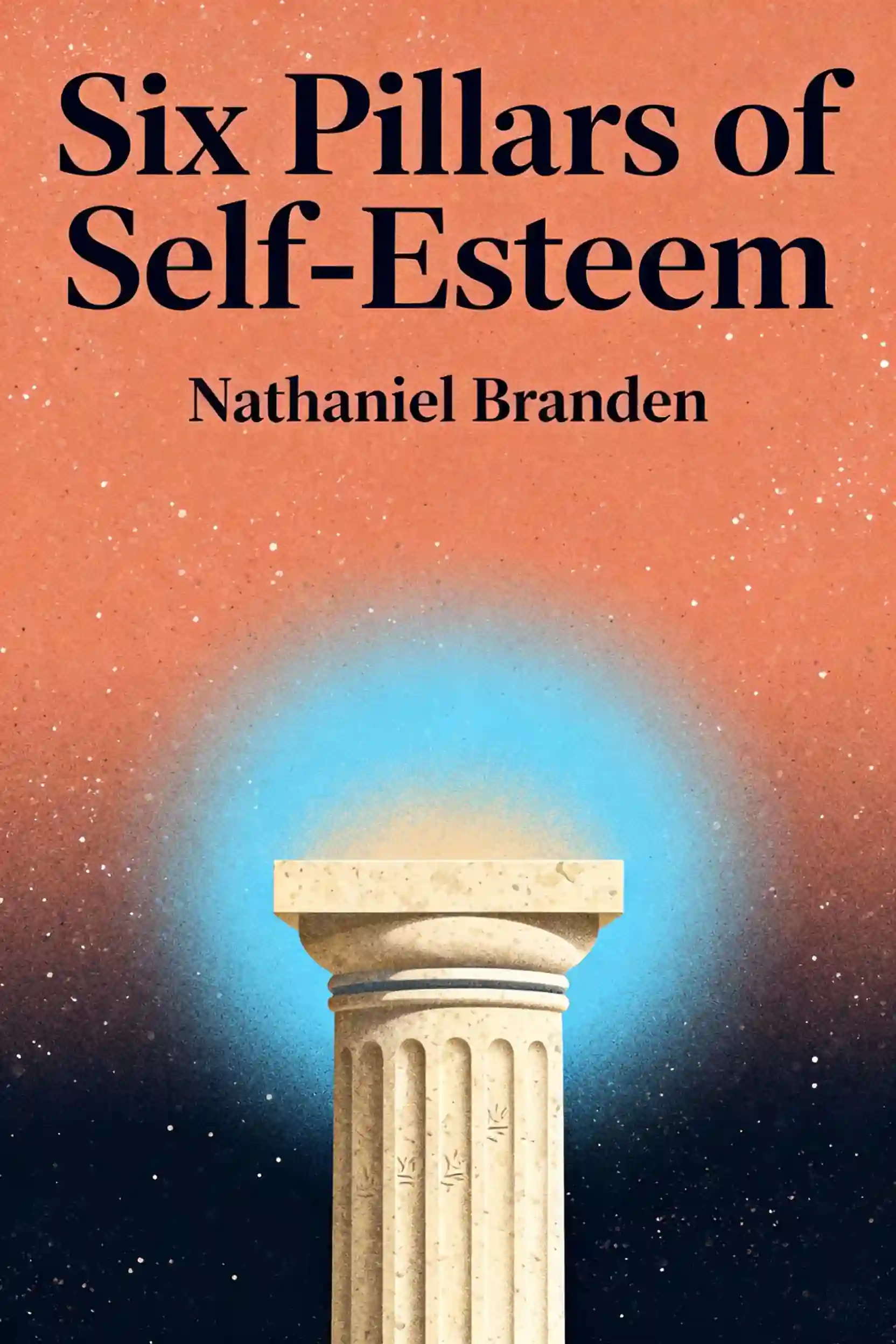
Self-esteem is the reputation we acquire with ourselves. It’s not about what the person across the table thinks of you; it’s about what you know to be true about yourself when the lights are off and no one is watching.

This audio lesson was created by a BeFreed community member
Create a lesson to be bad bitch


Frequently Asked Questions
Over-explaining often signals uncertainty and suggests that you are seeking permission for your boundaries or decisions. According to the "Bad Bitch Empire" philosophy, providing excessive justifications gives others "material" to negotiate with or twist your narrative. By staying calm and direct without offering long explanations, you signal that your status and decisions are self-evident and not up for debate.
The script distinguishes the two by defining self-confidence as task-specific mastery—such as being a capable driver or coder—whereas self-esteem is identity-based. Self-esteem is described as "the reputation we acquire with ourselves," representing what we know to be true about our character when no one is watching. It is possible to have high confidence in a professional skill while still possessing a "leaky" identity or low self-esteem in personal relationships.
Confidence is a regulated physiological state rather than just a mood. When the nervous system senses a threat, the body enters a "threat state" governed by Polyvagal Theory, which prioritizes survival over higher reasoning and self-expression. This is why someone might freeze during a presentation despite being well-prepared; their biology is screaming "danger," making it essential to use tools like breathwork to create internal safety before attempting to project confidence.
"Clean reps" are small, consistent social risks taken to desensitize the nervous system and build "mastery experiences." Since confidence grows from evidence, keeping small promises to yourself—like holding eye contact a beat longer or saying "no" to a low-stakes request—builds a track record of reliability. Over 30 days, these incremental actions move an individual from "faking" a persona to recalibrating their actual identity based on a history of successful follow-through.
Enclothed cognition is the psychological idea that the clothes we wear significantly influence our thought processes and behavior. In baddie culture, specific fashion choices like oversized blazers or bold makeup act as "armor" that reinforces an internal state of authority. By intentionally curating a visual narrative of self-value, individuals can use their physical appearance to trigger a more decisive and action-oriented mindset.
Discover more

Build confidence and enforce boundaries
Build confidence and enforce boundaries
This plan is essential for individuals who struggle with people-pleasing or feel their personal limits are frequently overlooked. It is designed for anyone looking to transition from passive communication to a life of empowered, assertive action and emotional resilience.

Set boundaries without over-explaining
Set boundaries without over-explaining
This plan is essential for individuals who struggle with the guilt of saying no or find themselves trapped in cycles of people-pleasing. It is designed for professionals and individuals looking to reclaim their time and energy by mastering assertive, justification-free communication.
Build Confidence
Build Confidence
This plan is essential for anyone looking to bridge the gap between self-doubt and professional mastery. It is designed for individuals seeking to project authority, overcome internal barriers, and lead with genuine presence in both social and high-stakes environments.

Set boundaries and assert myself confidently
Set boundaries and assert myself confidently
This plan is designed for individuals who struggle with people-pleasing or find it difficult to speak up in professional and personal settings. It provides a structured path from understanding self-worth to mastering the practical communication tools needed for healthy, respectful interactions.
Reclaim power and clear negative thoughts.
Reclaim power and clear negative thoughts.
This learning plan is essential for individuals feeling drained by self-criticism and a lack of personal boundaries. It offers a structured path for anyone looking to transition from reactive people-pleasing to proactive, self-assured leadership of their own life.

Be a strong, assertive female leader
Be a strong, assertive female leader
This learning plan is designed for women aspiring to or currently in leadership roles who want to break through internal and external barriers. It provides a roadmap for transforming self-doubt into a powerful professional presence while navigating the complexities of modern workplace dynamics.

Be more dominant in my relationship life
Be more dominant in my relationship life
This plan is designed for individuals seeking to lead with confidence and integrity in their romantic lives. It provides a roadmap for those who want to transition from passive roles to positions of authentic authority and emotional intelligence.
Make people respect me
Make people respect me
This plan is designed for professionals and individuals who feel overlooked or undervalued in social and workplace settings. It provides a comprehensive framework for transforming internal self-perception into an external presence that commands natural authority.
From Columbia University alumni built in San Francisco
"Instead of endless scrolling, I just hit play on BeFreed. It saves me so much time."


"I never knew where to start with nonfiction—BeFreed’s book lists turned into podcasts gave me a clear path."


"Perfect balance between learning and entertainment. Finished ‘Thinking, Fast and Slow’ on my commute this week."
"Crazy how much I learned while walking the dog. BeFreed = small habits → big gains."
"Reading used to feel like a chore. Now it’s just part of my lifestyle."

"Feels effortless compared to reading. I’ve finished 6 books this month already."
"BeFreed turned my guilty doomscrolling into something that feels productive and inspiring."

"BeFreed turned my commute into learning time. 20-min podcasts are perfect for finishing books I never had time for."
"BeFreed replaced my podcast queue. Imagine Spotify for books — that’s it. 🙌"

"It is great for me to learn something from the book without reading it."
"The themed book list podcasts help me connect ideas across authors—like a guided audio journey."
"Makes me feel smarter every time before going to work"
From Columbia University alumni built in San Francisco
"Instead of endless scrolling, I just hit play on BeFreed. It saves me so much time."
"I never knew where to start with nonfiction—BeFreed’s book lists turned into podcasts gave me a clear path."
"Perfect balance between learning and entertainment. Finished ‘Thinking, Fast and Slow’ on my commute this week."
"Crazy how much I learned while walking the dog. BeFreed = small habits → big gains."
"Reading used to feel like a chore. Now it’s just part of my lifestyle."
"Feels effortless compared to reading. I’ve finished 6 books this month already."
"BeFreed turned my guilty doomscrolling into something that feels productive and inspiring."
"BeFreed turned my commute into learning time. 20-min podcasts are perfect for finishing books I never had time for."
"BeFreed replaced my podcast queue. Imagine Spotify for books — that’s it. 🙌"
"It is great for me to learn something from the book without reading it."
"The themed book list podcasts help me connect ideas across authors—like a guided audio journey."
"Makes me feel smarter every time before going to work"
"Instead of endless scrolling, I just hit play on BeFreed. It saves me so much time."
"I never knew where to start with nonfiction—BeFreed’s book lists turned into podcasts gave me a clear path."
"Perfect balance between learning and entertainment. Finished ‘Thinking, Fast and Slow’ on my commute this week."
"Crazy how much I learned while walking the dog. BeFreed = small habits → big gains."
"Reading used to feel like a chore. Now it’s just part of my lifestyle."
"Feels effortless compared to reading. I’ve finished 6 books this month already."
"BeFreed turned my guilty doomscrolling into something that feels productive and inspiring."
"BeFreed turned my commute into learning time. 20-min podcasts are perfect for finishing books I never had time for."
"BeFreed replaced my podcast queue. Imagine Spotify for books — that’s it. 🙌"
"It is great for me to learn something from the book without reading it."
"The themed book list podcasts help me connect ideas across authors—like a guided audio journey."
"Makes me feel smarter every time before going to work"
"Instead of endless scrolling, I just hit play on BeFreed. It saves me so much time."
"I never knew where to start with nonfiction—BeFreed’s book lists turned into podcasts gave me a clear path."
"Perfect balance between learning and entertainment. Finished ‘Thinking, Fast and Slow’ on my commute this week."
"Crazy how much I learned while walking the dog. BeFreed = small habits → big gains."
"Reading used to feel like a chore. Now it’s just part of my lifestyle."
"Feels effortless compared to reading. I’ve finished 6 books this month already."
"BeFreed turned my guilty doomscrolling into something that feels productive and inspiring."
"BeFreed turned my commute into learning time. 20-min podcasts are perfect for finishing books I never had time for."
"BeFreed replaced my podcast queue. Imagine Spotify for books — that’s it. 🙌"
"It is great for me to learn something from the book without reading it."
"The themed book list podcasts help me connect ideas across authors—like a guided audio journey."
"Makes me feel smarter every time before going to work"


