
Autism and adult communication: Why it feels different
Navigating unwritten social rules can feel like constant invisible labor. Learn how to use scripts and sensory tools to communicate with confidence.

Best quote from Autism and adult communication: Why it feels different
We aren't trying to 'fix' the neurotype—we're trying to reduce the cognitive load so you can actually enjoy the connection. It’s about making the environment work for you, rather than exhausting yourself trying to bend to an environment that wasn't designed for you in the first place.

This audio lesson was created by a BeFreed community member
Help me learn how to communicate as an adult autism  and be kris


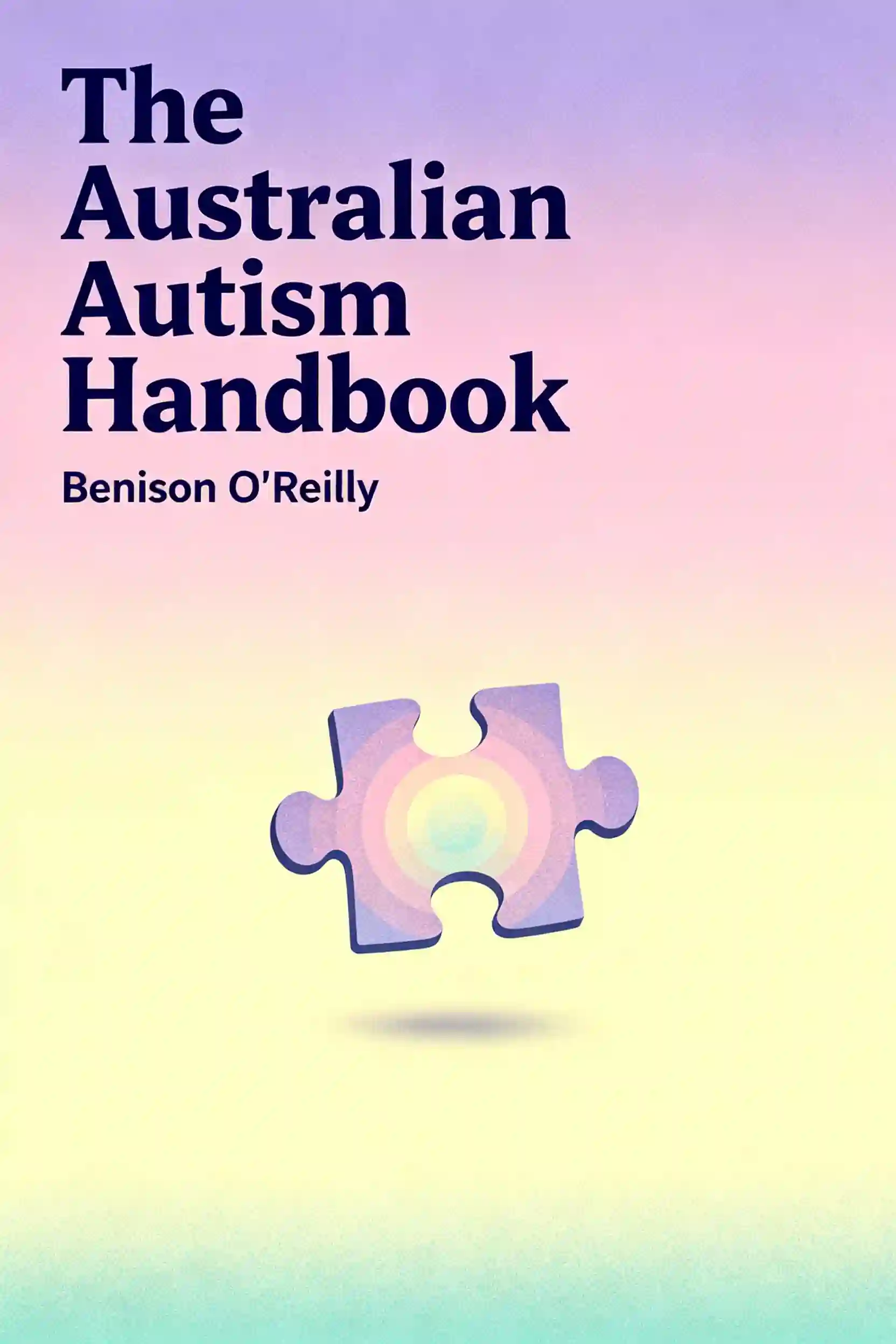
Frequently Asked Questions
The Double Empathy Problem is a concept suggesting that communication breakdowns between autistic and neurotypical individuals are a mutual mismatch of styles rather than a deficit on one side. For example, an autistic person might show empathy by sharing a "SAME story" (a similar personal experience), which a neurotypical person might misinterpret as being self-centered. Conversely, a neurotypical person’s standard expression of sympathy might feel hollow to an autistic person. Both parties are attempting to connect, but they are using different "operating systems" or languages of kindness.
Masking, or camouflaging, is a survival strategy where an autistic person performs a version of themselves that fits neurotypical expectations to avoid rejection or professional repercussions. It is often exhausting and leads to burnout. Scripting, on the other hand, is a practical tool for efficiency rather than erasure. It involves having pre-written sentences or "social maps" ready for common situations—like a job interview or small talk—to reduce the cognitive load and processing time required during real-time interactions.
Sensory processing acts like a "slider" on a soundboard that can distort verbal communication. If an environment is overwhelming—due to buzzing lights, loud offices, or multiple people talking—an autistic adult's brain may divert all its power to "survival" or sensory management, making it difficult to process language or respond quickly. This can lead to processing delays, where a person needs a few extra seconds to translate sound into meaning, which others might mistakenly interpret as a lack of interest or competence.
Self-advocacy involves clearly articulating specific needs to improve productivity and well-being. Instead of simply stating a dislike for a situation, the script suggests framing requests as "solution-oriented" boosters. For example, one might ask for written instructions following a meeting to ensure no details are missed, or request the use of noise-canceling headphones during deep-work periods to maintain focus. It also includes setting boundaries, such as declining a social "happy hour" to recharge or opting for a quiet "reset point" during lunch.
A Safety Audit is a way to strategically manage the energy spent on masking by grading different environments. A "Level 5" space is a completely safe environment, like home or with neurodivergent friends, where one can stim and be silent without judgment. A "Level 1" space might be a hostile workplace where the mask is kept on for protection. The goal of the audit is to identify "Level 3" spaces—like a grocery store or with casual acquaintances—where a person can begin to "soften" the mask and reclaim mental energy.
Discover more

Master autism/ADHD socially
Master autism/ADHD socially
Neurodivergent individuals often struggle with social interactions due to neurological differences, not lack of desire for connection. This learning plan provides autism and ADHD-specific social strategies that work with—rather than against—neurodivergent thinking, helping learners build meaningful relationships while honoring their authentic selves.

Learn new skill as autistic adult sustainably
Learn new skill as autistic adult sustainably
This plan is designed for autistic adults who struggle with traditional learning methods and burnout. It provides a neuro-affirming roadmap to mastering new skills by aligning educational strategies with autistic cognitive styles and sensory needs.

Improve AuDHD social skills and connections
Improve AuDHD social skills and connections
Traditional social advice often fails neurodivergent individuals because it ignores the specific intersection of autism and ADHD. This plan is designed for AuDHD adults seeking to build genuine relationships without sacrificing their mental well-being through masking.

Understand and guide teenagers with autism
Understand and guide teenagers with autism
Adolescence is a pivotal period that presents unique sensory and social challenges for neurodivergent youth. This plan is essential for parents and educators seeking evidence-based strategies to foster confidence and independence in autistic teens.
Speak clearly with ADHD as a woman
Speak clearly with ADHD as a woman
Women with ADHD often face unique challenges with verbal impulsivity and thought organization that can hinder professional growth. This plan provides targeted vocal mechanics and structural tools to help them communicate with clarity and natural authority.

Become better at talking with people
Become better at talking with people
Effective communication is the cornerstone of personal and professional success, yet many struggle with social anxiety or conflict. This plan is designed for anyone looking to transform their social interactions from awkward exchanges into meaningful, influential connections.
Boost AuDHD dating confidence as an introvert
Boost AuDHD dating confidence as an introvert
This plan is designed for neurodivergent introverts who feel overwhelmed by the modern dating landscape. It provides a roadmap to transform social anxiety into authentic confidence by leveraging AuDHD traits rather than hiding them.

Better communication and playful teasing
Better communication and playful teasing
In a world where digital interaction often replaces face-to-face connection, mastering the nuances of wit and charisma is a vital social advantage. This plan is designed for individuals looking to overcome social anxiety, enhance their romantic life, or command more authority in professional and personal circles.
From Columbia University alumni built in San Francisco
"Instead of endless scrolling, I just hit play on BeFreed. It saves me so much time."


"I never knew where to start with nonfiction—BeFreed’s book lists turned into podcasts gave me a clear path."


"Perfect balance between learning and entertainment. Finished ‘Thinking, Fast and Slow’ on my commute this week."
"Crazy how much I learned while walking the dog. BeFreed = small habits → big gains."
"Reading used to feel like a chore. Now it’s just part of my lifestyle."

"Feels effortless compared to reading. I’ve finished 6 books this month already."
"BeFreed turned my guilty doomscrolling into something that feels productive and inspiring."

"BeFreed turned my commute into learning time. 20-min podcasts are perfect for finishing books I never had time for."
"BeFreed replaced my podcast queue. Imagine Spotify for books — that’s it. 🙌"

"It is great for me to learn something from the book without reading it."
"The themed book list podcasts help me connect ideas across authors—like a guided audio journey."
"Makes me feel smarter every time before going to work"
From Columbia University alumni built in San Francisco
"Instead of endless scrolling, I just hit play on BeFreed. It saves me so much time."
"I never knew where to start with nonfiction—BeFreed’s book lists turned into podcasts gave me a clear path."
"Perfect balance between learning and entertainment. Finished ‘Thinking, Fast and Slow’ on my commute this week."
"Crazy how much I learned while walking the dog. BeFreed = small habits → big gains."
"Reading used to feel like a chore. Now it’s just part of my lifestyle."
"Feels effortless compared to reading. I’ve finished 6 books this month already."
"BeFreed turned my guilty doomscrolling into something that feels productive and inspiring."
"BeFreed turned my commute into learning time. 20-min podcasts are perfect for finishing books I never had time for."
"BeFreed replaced my podcast queue. Imagine Spotify for books — that’s it. 🙌"
"It is great for me to learn something from the book without reading it."
"The themed book list podcasts help me connect ideas across authors—like a guided audio journey."
"Makes me feel smarter every time before going to work"
"Instead of endless scrolling, I just hit play on BeFreed. It saves me so much time."
"I never knew where to start with nonfiction—BeFreed’s book lists turned into podcasts gave me a clear path."
"Perfect balance between learning and entertainment. Finished ‘Thinking, Fast and Slow’ on my commute this week."
"Crazy how much I learned while walking the dog. BeFreed = small habits → big gains."
"Reading used to feel like a chore. Now it’s just part of my lifestyle."
"Feels effortless compared to reading. I’ve finished 6 books this month already."
"BeFreed turned my guilty doomscrolling into something that feels productive and inspiring."
"BeFreed turned my commute into learning time. 20-min podcasts are perfect for finishing books I never had time for."
"BeFreed replaced my podcast queue. Imagine Spotify for books — that’s it. 🙌"
"It is great for me to learn something from the book without reading it."
"The themed book list podcasts help me connect ideas across authors—like a guided audio journey."
"Makes me feel smarter every time before going to work"
"Instead of endless scrolling, I just hit play on BeFreed. It saves me so much time."
"I never knew where to start with nonfiction—BeFreed’s book lists turned into podcasts gave me a clear path."
"Perfect balance between learning and entertainment. Finished ‘Thinking, Fast and Slow’ on my commute this week."
"Crazy how much I learned while walking the dog. BeFreed = small habits → big gains."
"Reading used to feel like a chore. Now it’s just part of my lifestyle."
"Feels effortless compared to reading. I’ve finished 6 books this month already."
"BeFreed turned my guilty doomscrolling into something that feels productive and inspiring."
"BeFreed turned my commute into learning time. 20-min podcasts are perfect for finishing books I never had time for."
"BeFreed replaced my podcast queue. Imagine Spotify for books — that’s it. 🙌"
"It is great for me to learn something from the book without reading it."
"The themed book list podcasts help me connect ideas across authors—like a guided audio journey."
"Makes me feel smarter every time before going to work"


