
Anyone Can Sing: From Shower to Stage
Discover why singing isn't a magical gift but a learnable skill. Break through mindset barriers and master practical techniques to transform your voice from hesitant to confident.

Best quote from Anyone Can Sing: From Shower to Stage
Most singers' struggles don't begin with their voice, they begin with the belief that their voice isn't good enough. Singing is actually more like learning to ride a bike than having some magical gift.

This audio lesson was created by a BeFreed community member
I want to learn to sing

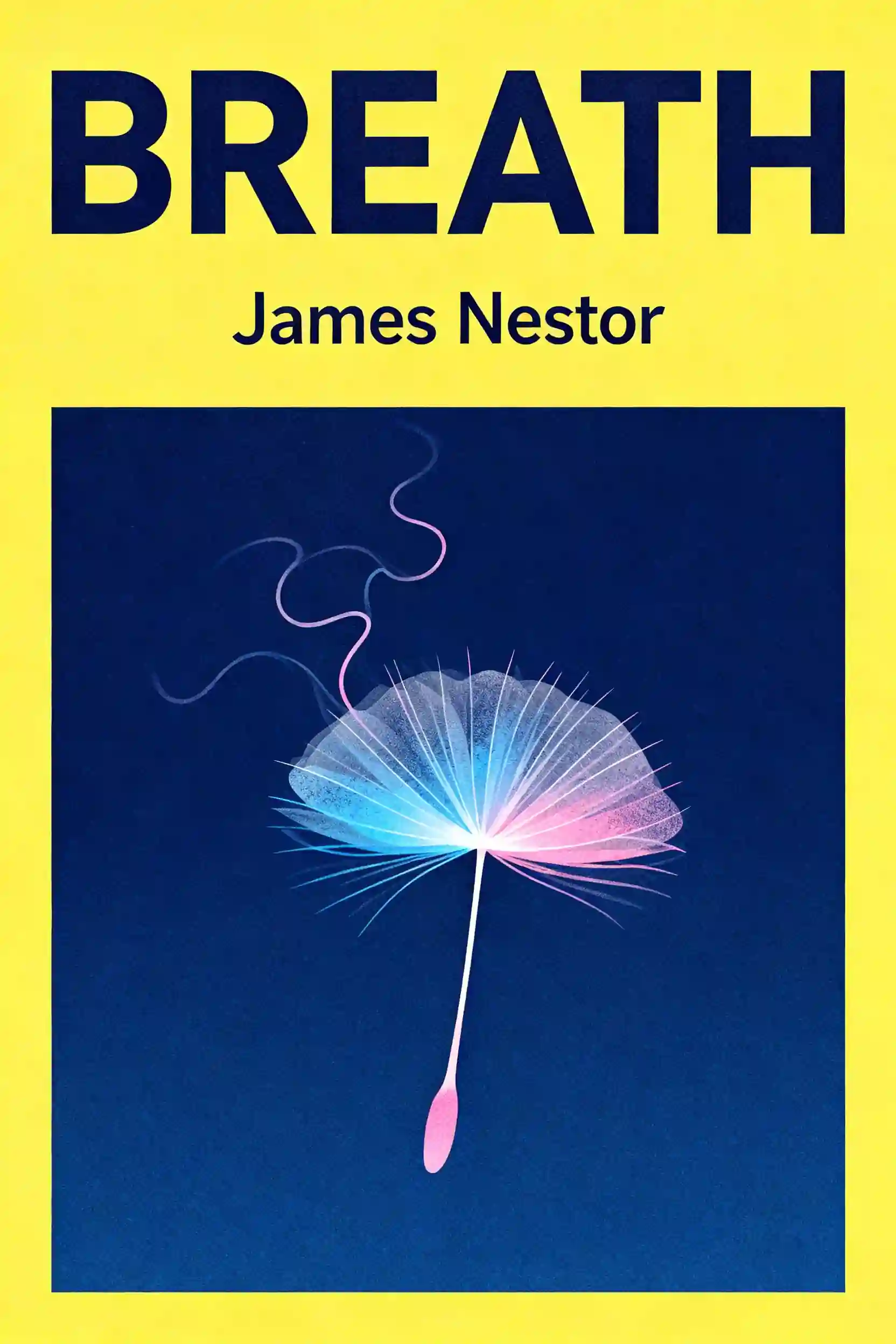
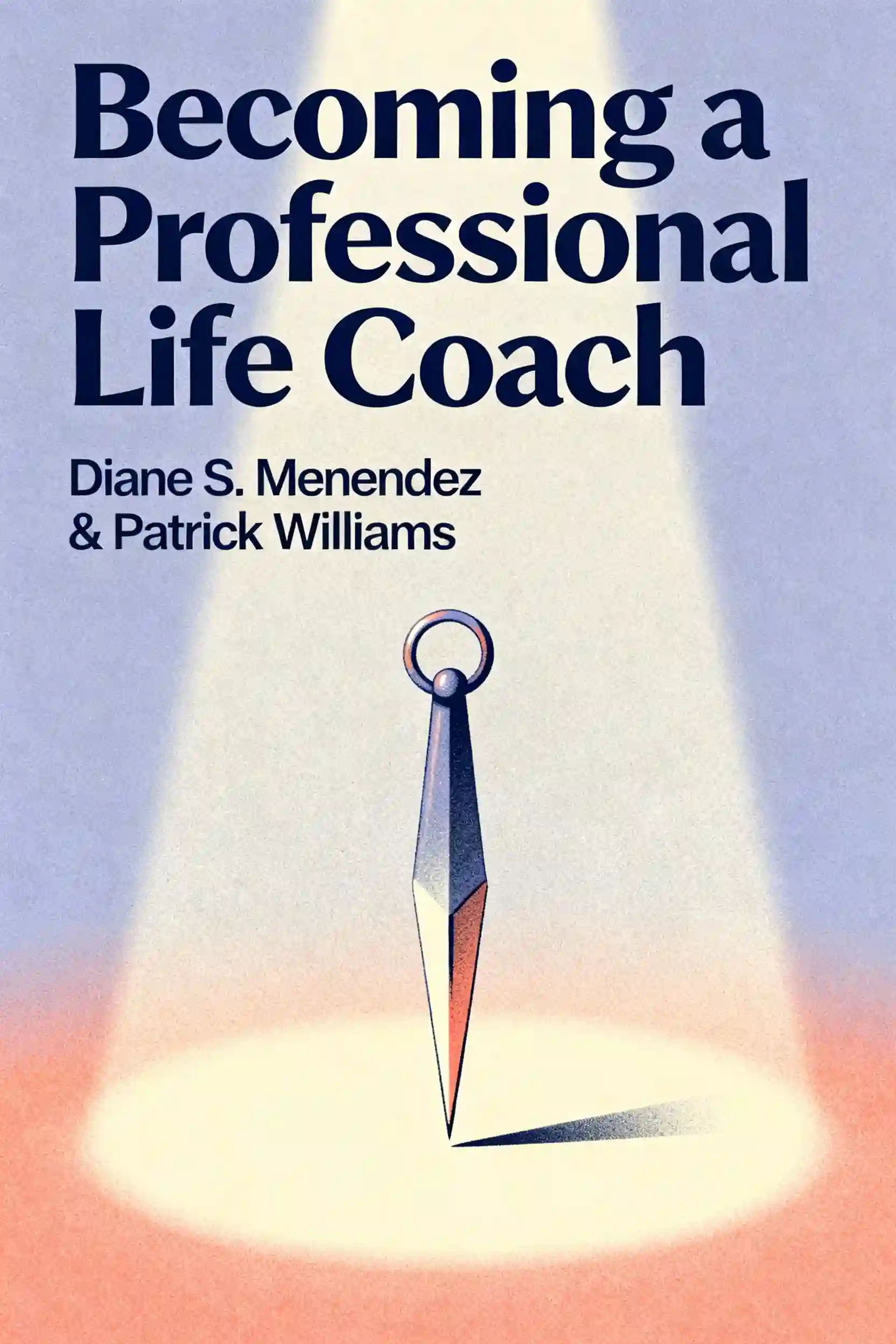
Discover more

Sing better
Sing better
Whether you're a shower singer dreaming of the spotlight or an aspiring performer ready to take your talent seriously, strong vocal technique is the foundation of every great singer. This learning plan is perfect for beginners wanting to build healthy singing habits from the start, as well as intermediate singers looking to refine their skills and overcome performance anxiety.

Learn to sing
Learn to sing
This plan is designed for aspiring vocalists who want to build a professional foundation from the ground up. It bridges the gap between technical mechanics and artistic performance, making it ideal for anyone looking to transform their hobby into a polished skill.

Become a singer
Become a singer
This comprehensive plan bridges the gap between technical vocal ability and professional artistry. It is designed for aspiring vocalists who want to transition from hobbyist singing to a successful, independent career in the music industry.
Can you analyse my singing voice
Can you analyse my singing voice
This plan is essential for aspiring vocalists who want to move beyond casual singing into technical mastery. It provides a structured path for anyone seeking to understand their instrument, improve their technical execution, and deliver professional-quality performances.
Improve vocal presence for presentations
Improve vocal presence for presentations
A powerful vocal presence can transform ordinary presentations into compelling experiences that captivate audiences and establish credibility. This learning plan benefits professionals who regularly deliver presentations, leaders seeking to enhance their communication impact, and individuals looking to overcome speaking anxiety while developing authentic vocal authority.

improve vocal confidence
improve vocal confidence
Vocal confidence is essential for effective leadership, professional advancement, and personal growth. This learning plan helps anyone who struggles with public speaking anxiety, wants to sound more authoritative in meetings, or needs to communicate ideas with greater impact and influence.
voice podcast
voice podcast
This plan is designed for aspiring creators looking to transition from casual listeners to professional podcasters. It provides a holistic roadmap covering everything from vocal performance and storytelling to technical production and business growth.

develop my podcast presenter voice
develop my podcast presenter voice
A captivating podcast presenter voice is the difference between listeners who subscribe and those who skip ahead. This learning plan is essential for aspiring and current podcasters who want to transform their delivery from amateur to professional, whether hosting solo shows, conducting interviews, or building a personal brand through audio storytelling.
From Columbia University alumni built in San Francisco
"Instead of endless scrolling, I just hit play on BeFreed. It saves me so much time."


"I never knew where to start with nonfiction—BeFreed’s book lists turned into podcasts gave me a clear path."


"Perfect balance between learning and entertainment. Finished ‘Thinking, Fast and Slow’ on my commute this week."
"Crazy how much I learned while walking the dog. BeFreed = small habits → big gains."
"Reading used to feel like a chore. Now it’s just part of my lifestyle."

"Feels effortless compared to reading. I’ve finished 6 books this month already."
"BeFreed turned my guilty doomscrolling into something that feels productive and inspiring."

"BeFreed turned my commute into learning time. 20-min podcasts are perfect for finishing books I never had time for."
"BeFreed replaced my podcast queue. Imagine Spotify for books — that’s it. 🙌"

"It is great for me to learn something from the book without reading it."
"The themed book list podcasts help me connect ideas across authors—like a guided audio journey."
"Makes me feel smarter every time before going to work"
From Columbia University alumni built in San Francisco
"Instead of endless scrolling, I just hit play on BeFreed. It saves me so much time."
"I never knew where to start with nonfiction—BeFreed’s book lists turned into podcasts gave me a clear path."
"Perfect balance between learning and entertainment. Finished ‘Thinking, Fast and Slow’ on my commute this week."
"Crazy how much I learned while walking the dog. BeFreed = small habits → big gains."
"Reading used to feel like a chore. Now it’s just part of my lifestyle."
"Feels effortless compared to reading. I’ve finished 6 books this month already."
"BeFreed turned my guilty doomscrolling into something that feels productive and inspiring."
"BeFreed turned my commute into learning time. 20-min podcasts are perfect for finishing books I never had time for."
"BeFreed replaced my podcast queue. Imagine Spotify for books — that’s it. 🙌"
"It is great for me to learn something from the book without reading it."
"The themed book list podcasts help me connect ideas across authors—like a guided audio journey."
"Makes me feel smarter every time before going to work"
"Instead of endless scrolling, I just hit play on BeFreed. It saves me so much time."
"I never knew where to start with nonfiction—BeFreed’s book lists turned into podcasts gave me a clear path."
"Perfect balance between learning and entertainment. Finished ‘Thinking, Fast and Slow’ on my commute this week."
"Crazy how much I learned while walking the dog. BeFreed = small habits → big gains."
"Reading used to feel like a chore. Now it’s just part of my lifestyle."
"Feels effortless compared to reading. I’ve finished 6 books this month already."
"BeFreed turned my guilty doomscrolling into something that feels productive and inspiring."
"BeFreed turned my commute into learning time. 20-min podcasts are perfect for finishing books I never had time for."
"BeFreed replaced my podcast queue. Imagine Spotify for books — that’s it. 🙌"
"It is great for me to learn something from the book without reading it."
"The themed book list podcasts help me connect ideas across authors—like a guided audio journey."
"Makes me feel smarter every time before going to work"
"Instead of endless scrolling, I just hit play on BeFreed. It saves me so much time."
"I never knew where to start with nonfiction—BeFreed’s book lists turned into podcasts gave me a clear path."
"Perfect balance between learning and entertainment. Finished ‘Thinking, Fast and Slow’ on my commute this week."
"Crazy how much I learned while walking the dog. BeFreed = small habits → big gains."
"Reading used to feel like a chore. Now it’s just part of my lifestyle."
"Feels effortless compared to reading. I’ve finished 6 books this month already."
"BeFreed turned my guilty doomscrolling into something that feels productive and inspiring."
"BeFreed turned my commute into learning time. 20-min podcasts are perfect for finishing books I never had time for."
"BeFreed replaced my podcast queue. Imagine Spotify for books — that’s it. 🙌"
"It is great for me to learn something from the book without reading it."
"The themed book list podcasts help me connect ideas across authors—like a guided audio journey."
"Makes me feel smarter every time before going to work"


