
Ancient Clans, Modern Nations: Horn of Africa
From pre-Islamic sultanates to today's political struggles, explore how Somalia and Djibouti's clan-based societies navigated colonialism and independence while balancing ancient loyalties with modern statehood.

Best quote from Ancient Clans, Modern Nations: Horn of Africa
The question isn't whether these societies had governance—it's whether their forms of governance could survive the coming storm of the collision between ancient democratic traditions and modern state structures.

This audio lesson was created by a BeFreed community member
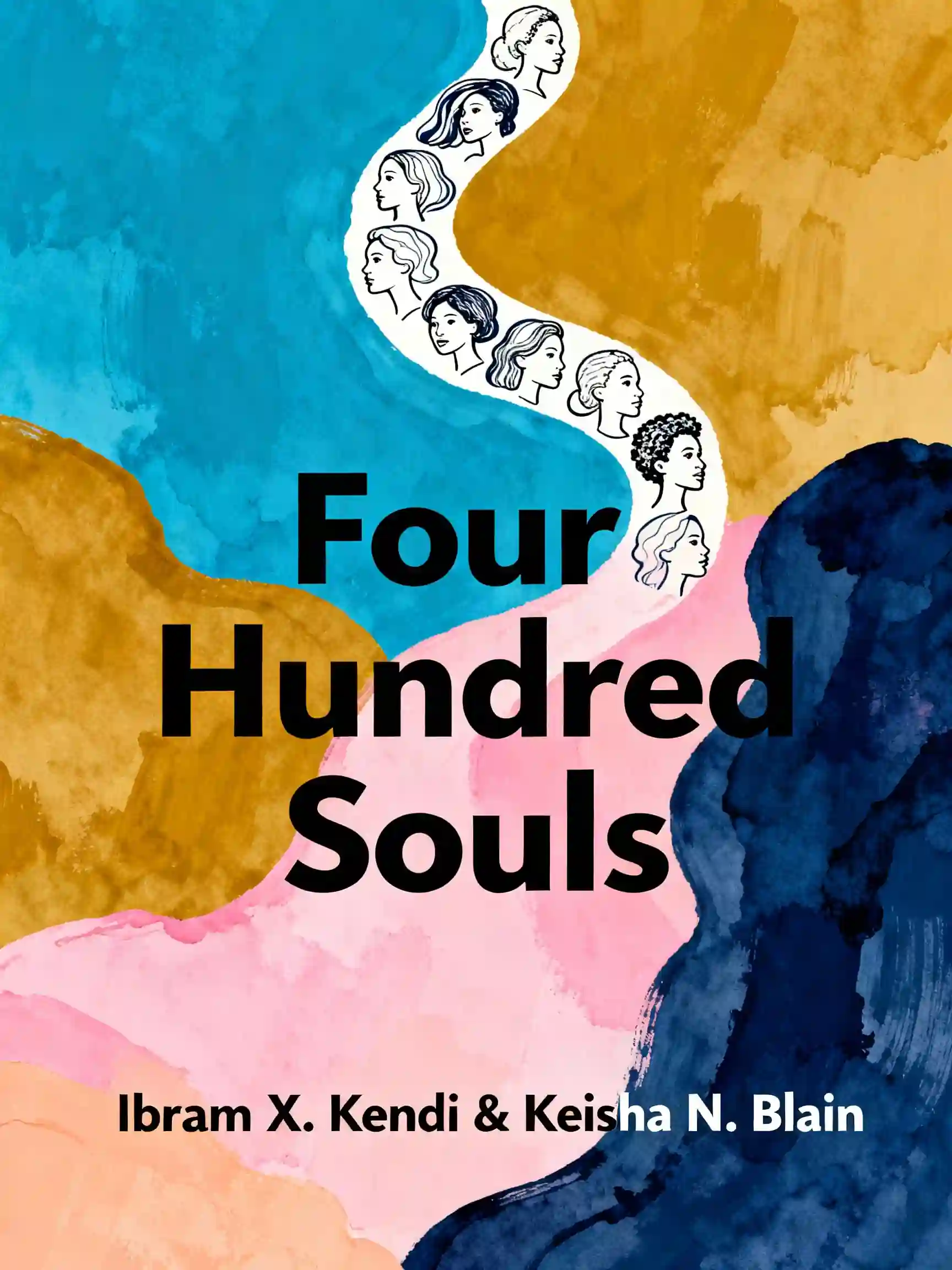
Ethnic and social history of Djibuti and Somalia. From pre-colinial era to present.

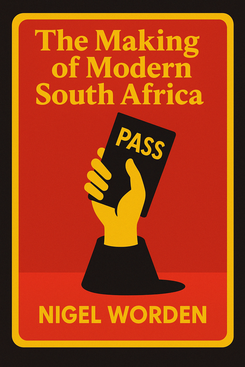
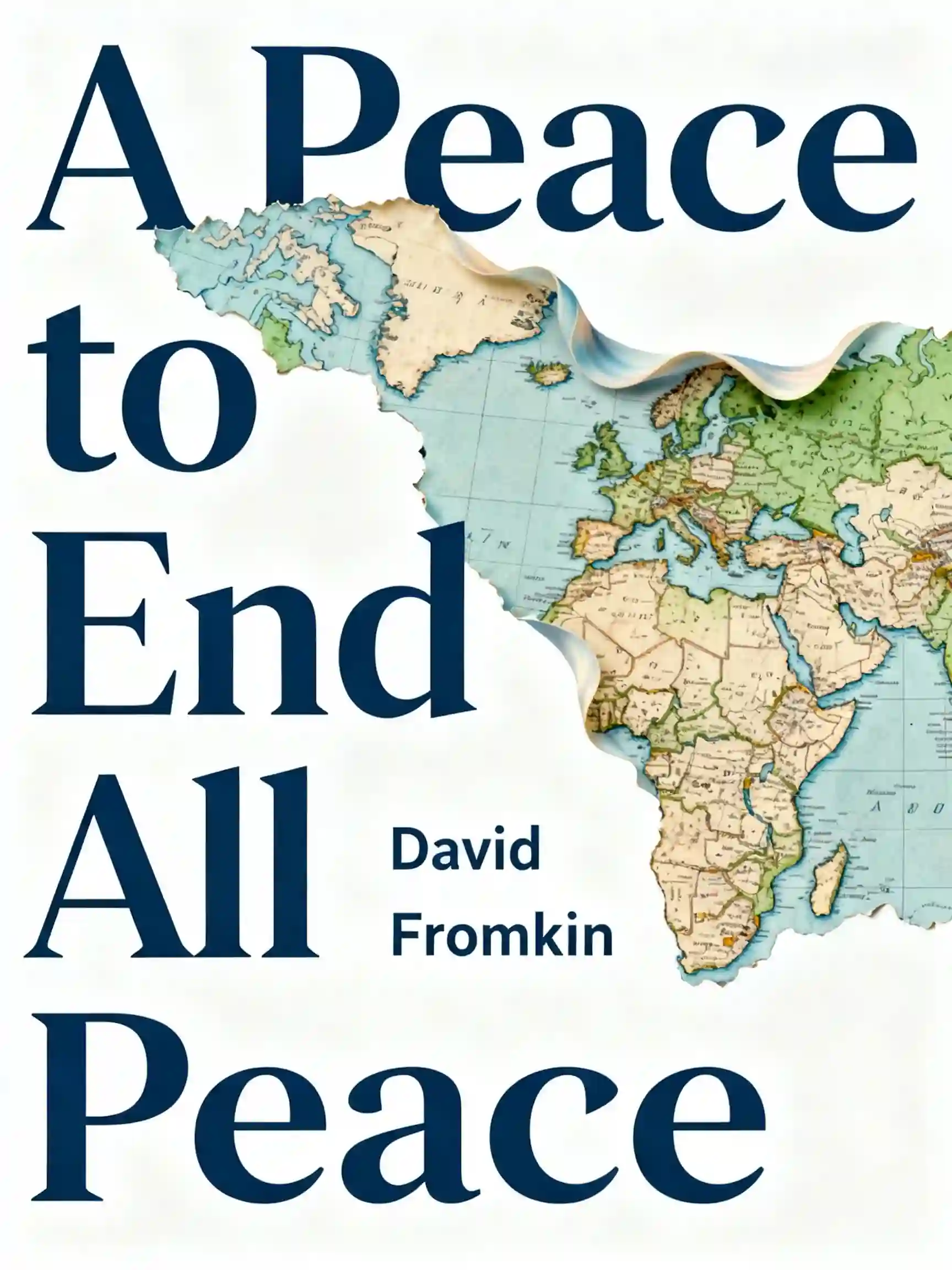
Discover more

Ancient civilizations
Ancient civilizations
This plan provides a global perspective on the origins of organized society, from the Nile to the Andes. It is ideal for history enthusiasts and students seeking to understand how ancient innovations continue to shape modern law, science, and culture.

Explore country histories & their backstories
Explore country histories & their backstories
Understanding the historical foundations of nations is essential for anyone seeking to make sense of today's complex geopolitical landscape. This learning plan is ideal for curious individuals, students, professionals in international fields, or anyone who wants to move beyond headlines to understand why countries act the way they do and how centuries of history have shaped our modern world.

History: Bronze Age to Modern Empires
History: Bronze Age to Modern Empires
This curriculum provides a vital roadmap for understanding how past power structures and innovations dictate contemporary global dynamics. It is ideal for students, history buffs, or professionals seeking to grasp the deep-rooted origins of Western governance, law, and international relations.

Ancient History
Ancient History
Ancient history provides crucial context for understanding the foundations of modern society, from our political systems to cultural traditions. This learning plan benefits students, history enthusiasts, and professionals seeking to understand how ancient civilizations continue to influence contemporary global developments and human behavior patterns.
Study geopolitics from 1840 to present day
Study geopolitics from 1840 to present day
Understanding modern geopolitics requires knowledge of the historical forces that shaped our current global order. This learning plan provides crucial context for anyone interested in international relations, political science, or global affairs, tracing the evolution from imperial competition to today's complex power dynamics.
Muhammad abacha
Muhammad abacha
This plan is essential for understanding the historical forces and leadership styles that shaped modern Nigeria. It is designed for students of political science, history buffs, and anyone interested in the dynamics of power and reform in West Africa.
I'm curious about History, Politics, Culture
I'm curious about History, Politics, Culture
This plan provides a comprehensive look at the forces that have defined humanity, from ancient social structures to modern global politics. It is ideal for lifelong learners seeking to understand the deep-rooted origins of today's cultural and political landscapes.
History Politics Islam Technology
History Politics Islam Technology
This interdisciplinary plan is essential for understanding the historical and religious forces that define modern governance and innovation. It is ideal for students, policymakers, or curious minds seeking to bridge the gap between classical heritage and the digital future.
From Columbia University alumni built in San Francisco
"Instead of endless scrolling, I just hit play on BeFreed. It saves me so much time."


"I never knew where to start with nonfiction—BeFreed’s book lists turned into podcasts gave me a clear path."


"Perfect balance between learning and entertainment. Finished ‘Thinking, Fast and Slow’ on my commute this week."
"Crazy how much I learned while walking the dog. BeFreed = small habits → big gains."
"Reading used to feel like a chore. Now it’s just part of my lifestyle."

"Feels effortless compared to reading. I’ve finished 6 books this month already."
"BeFreed turned my guilty doomscrolling into something that feels productive and inspiring."

"BeFreed turned my commute into learning time. 20-min podcasts are perfect for finishing books I never had time for."
"BeFreed replaced my podcast queue. Imagine Spotify for books — that’s it. 🙌"

"It is great for me to learn something from the book without reading it."
"The themed book list podcasts help me connect ideas across authors—like a guided audio journey."
"Makes me feel smarter every time before going to work"
From Columbia University alumni built in San Francisco
"Instead of endless scrolling, I just hit play on BeFreed. It saves me so much time."
"I never knew where to start with nonfiction—BeFreed’s book lists turned into podcasts gave me a clear path."
"Perfect balance between learning and entertainment. Finished ‘Thinking, Fast and Slow’ on my commute this week."
"Crazy how much I learned while walking the dog. BeFreed = small habits → big gains."
"Reading used to feel like a chore. Now it’s just part of my lifestyle."
"Feels effortless compared to reading. I’ve finished 6 books this month already."
"BeFreed turned my guilty doomscrolling into something that feels productive and inspiring."
"BeFreed turned my commute into learning time. 20-min podcasts are perfect for finishing books I never had time for."
"BeFreed replaced my podcast queue. Imagine Spotify for books — that’s it. 🙌"
"It is great for me to learn something from the book without reading it."
"The themed book list podcasts help me connect ideas across authors—like a guided audio journey."
"Makes me feel smarter every time before going to work"
"Instead of endless scrolling, I just hit play on BeFreed. It saves me so much time."
"I never knew where to start with nonfiction—BeFreed’s book lists turned into podcasts gave me a clear path."
"Perfect balance between learning and entertainment. Finished ‘Thinking, Fast and Slow’ on my commute this week."
"Crazy how much I learned while walking the dog. BeFreed = small habits → big gains."
"Reading used to feel like a chore. Now it’s just part of my lifestyle."
"Feels effortless compared to reading. I’ve finished 6 books this month already."
"BeFreed turned my guilty doomscrolling into something that feels productive and inspiring."
"BeFreed turned my commute into learning time. 20-min podcasts are perfect for finishing books I never had time for."
"BeFreed replaced my podcast queue. Imagine Spotify for books — that’s it. 🙌"
"It is great for me to learn something from the book without reading it."
"The themed book list podcasts help me connect ideas across authors—like a guided audio journey."
"Makes me feel smarter every time before going to work"
"Instead of endless scrolling, I just hit play on BeFreed. It saves me so much time."
"I never knew where to start with nonfiction—BeFreed’s book lists turned into podcasts gave me a clear path."
"Perfect balance between learning and entertainment. Finished ‘Thinking, Fast and Slow’ on my commute this week."
"Crazy how much I learned while walking the dog. BeFreed = small habits → big gains."
"Reading used to feel like a chore. Now it’s just part of my lifestyle."
"Feels effortless compared to reading. I’ve finished 6 books this month already."
"BeFreed turned my guilty doomscrolling into something that feels productive and inspiring."
"BeFreed turned my commute into learning time. 20-min podcasts are perfect for finishing books I never had time for."
"BeFreed replaced my podcast queue. Imagine Spotify for books — that’s it. 🙌"
"It is great for me to learn something from the book without reading it."
"The themed book list podcasts help me connect ideas across authors—like a guided audio journey."
"Makes me feel smarter every time before going to work"


