
ADHD in children: why it's more than just energy
Struggling with a child's focus? Learn why the ADHD brain hunts for stimulation and how small 'power-up' tasks can turn daily chores into wins.

Best quote from ADHD in children: why it's more than just energy
The ADHD brain doesn't just want entertainment; it requires a specific type of interactive structure to engage its 'inhibitory control'—that's the brain's ability to say 'no' to distractions and 'yes' to the task at hand.

This audio lesson was created by a BeFreed community member
Niños con Tdah

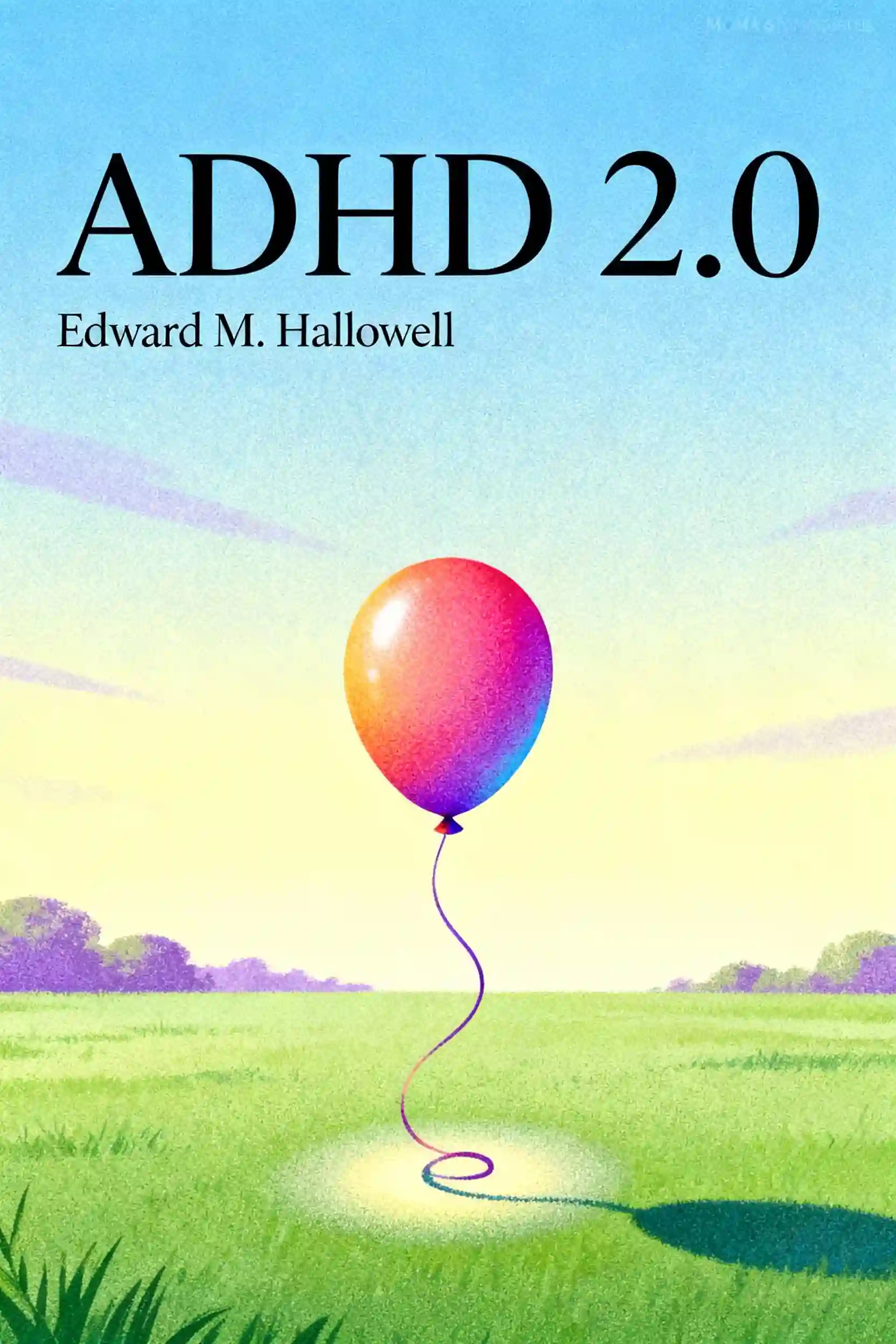
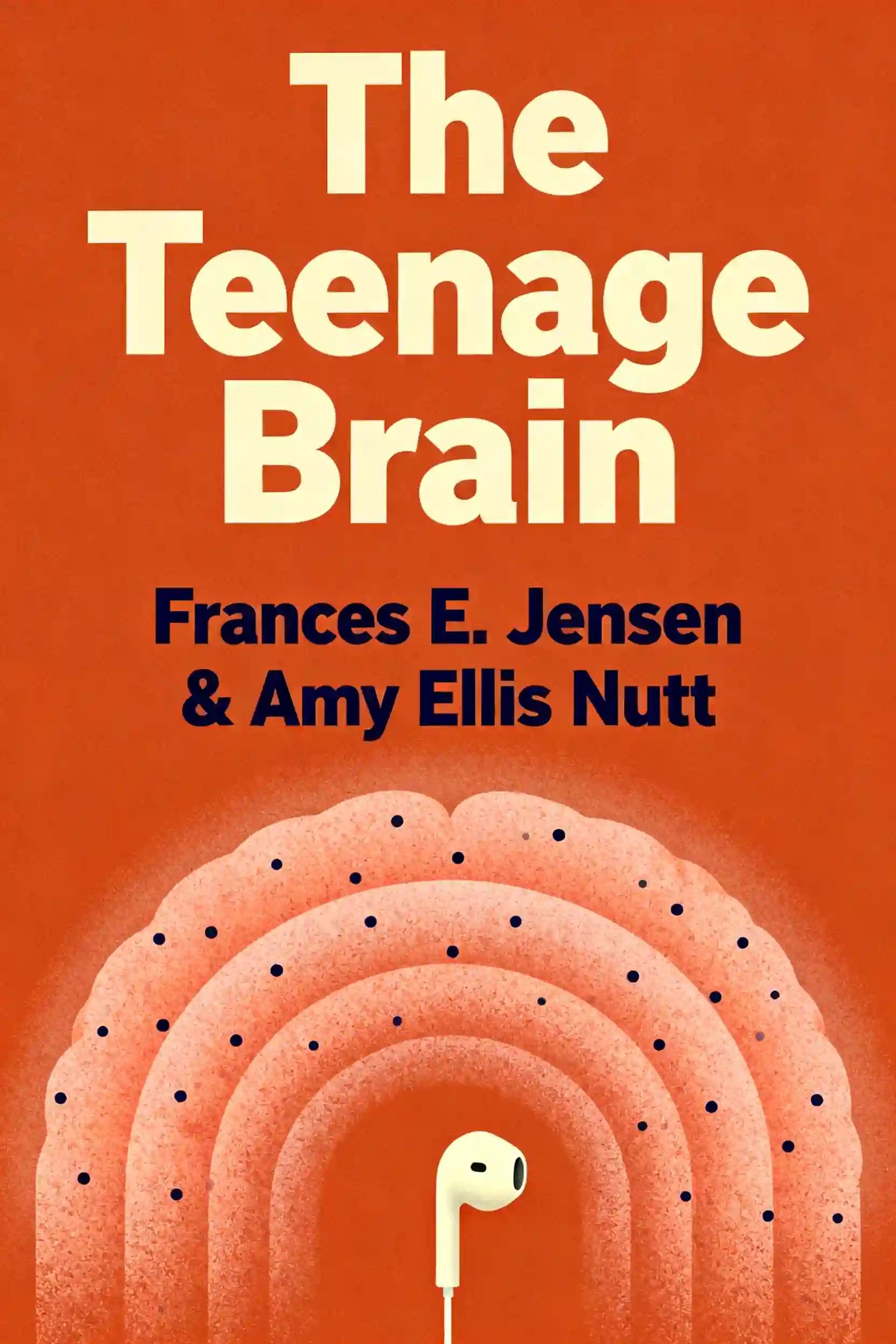
Frequently Asked Questions
Gamifying tasks involves incorporating elements of game design—such as immediate feedback, rewards, and level-based challenges—into everyday activities. Because the ADHD brain thrives on dopamine and struggles with long-term rewards, breaking a "boring" task like homework into tiny "power-ups" provides the instantaneous feedback loop necessary to keep the brain's reward system engaged. For example, instead of waiting for a teacher to grade a paper a week later, a parent might provide a small token or point for every single math problem completed correctly.
Research shows that structured, moderate-to-high intensity exercise triggers the release of Brain-Derived Neurotrophic Factor (BDNF). This protein helps strengthen neural connections in the prefrontal cortex and the striatum, which are the areas responsible for executive functions and impulse control. Engaging in "skill-based" activities like judo or swimming for approximately seventy minutes, twice a week, essentially trains the brain to manage internal signals and filter out distractions more effectively.
Yes, according to a 2025 study, children using high-energy, gamified educational programs showed significant improvements in baseline attention and reaction times compared to those using standard digital programs. These interventions are effective because they require "inhibitory control"—the ability to say "no" to distractions—while providing an interactive structure that matches the ADHD brain's neurological priorities. Furthermore, follow-up research in 2026 indicated that these academic and cognitive gains were maintained even two months after the training ended.
The script suggests tailoring activities to a child's specific cognitive profile. For children with the "Predominantly Inattentive" type (often dreamers), high-intensity aerobic bursts like sprinting or cycling can help "wake up" the frontal lobes and improve working memory. For those with the "Hyperactive-Impulsive" type, skill-based exercises that require precision and slow, deliberate control—such as yoga, martial arts, or racket sports—are better suited for improving impulse control and focus.
Standard instructions like "clean your room" are often too broad for the ADHD brain, which may struggle with background processes and organization. By creating a "Quest Log" that breaks a large task into "Level 1: Pick up blue things," "Level 2: Clear the desk," and so on, you make the invisible rules of focus visible. This structure reduces the "lag" in the brain's operating system by providing a clear, manageable path forward and a sense of achievement at every step.
Discover more

Develop mindset to overcome ADHD challenges
Develop mindset to overcome ADHD challenges
ADHD presents unique challenges that traditional productivity advice often fails to address. This learning plan provides neuroscience-backed strategies specifically tailored to ADHD brains, helping those struggling with attention, focus, and executive function to develop systems that work with their natural wiring rather than against it.

ADHD: Organize Home & Work for Productivity
ADHD: Organize Home & Work for Productivity
Traditional productivity advice often ignores the unique challenges of the ADHD brain, leading to burnout and frustration. This plan is essential for professionals and individuals seeking neuro-inclusive strategies to reclaim their space, time, and mental clarity.

Parenting ADHD: Impulsivity & Regulation
Parenting ADHD: Impulsivity & Regulation
This plan is essential for parents and caregivers struggling to manage the daily challenges of ADHD-related impulsivity. It provides a holistic approach that combines neurological understanding with practical emotional regulation and executive function strategies.

Assess ADHD's link to procrastination
Assess ADHD's link to procrastination
This plan is essential for individuals with ADHD who struggle with chronic delays and want to understand the biological roots of their behavior. It provides a roadmap for professionals and students to move from self-blame to effective, science-backed management of task initiation.

ADHD
ADHD
This plan is essential for neurodivergent individuals seeking to stop fighting their biology and start leveraging it. It provides a roadmap for adults with ADHD to transform daily struggles into structured success and stronger interpersonal connections.
Manage ADHD & mental health at work/home
Manage ADHD & mental health at work/home
This learning plan is essential for anyone with ADHD who struggles with traditional productivity advice and feels frustrated by systems that weren't designed for their brain. It's particularly valuable for professionals and individuals seeking to improve both work performance and home life while prioritizing mental health. By combining neuroscience-based understanding with practical, flexible strategies, this plan helps you work with your ADHD rather than constantly fighting against it.
Master my ADHD
Master my ADHD
This plan is essential for individuals looking to move beyond the stigma of ADHD and build a life that works with their brain rather than against it. It is ideal for professionals and creatives who want to transform executive dysfunction into focused, high-impact achievement.
ADHD in relationships and personal management
ADHD in relationships and personal management
ADHD significantly impacts both personal functioning and relationship dynamics, yet many adults lack effective strategies to navigate these challenges. This learning plan provides evidence-based approaches for anyone with ADHD or their partners to improve communication, develop personalized management systems, and transform potential relationship difficulties into opportunities for deeper connection.
From Columbia University alumni built in San Francisco
"Instead of endless scrolling, I just hit play on BeFreed. It saves me so much time."


"I never knew where to start with nonfiction—BeFreed’s book lists turned into podcasts gave me a clear path."


"Perfect balance between learning and entertainment. Finished ‘Thinking, Fast and Slow’ on my commute this week."
"Crazy how much I learned while walking the dog. BeFreed = small habits → big gains."
"Reading used to feel like a chore. Now it’s just part of my lifestyle."

"Feels effortless compared to reading. I’ve finished 6 books this month already."
"BeFreed turned my guilty doomscrolling into something that feels productive and inspiring."

"BeFreed turned my commute into learning time. 20-min podcasts are perfect for finishing books I never had time for."
"BeFreed replaced my podcast queue. Imagine Spotify for books — that’s it. 🙌"

"It is great for me to learn something from the book without reading it."
"The themed book list podcasts help me connect ideas across authors—like a guided audio journey."
"Makes me feel smarter every time before going to work"
From Columbia University alumni built in San Francisco
"Instead of endless scrolling, I just hit play on BeFreed. It saves me so much time."
"I never knew where to start with nonfiction—BeFreed’s book lists turned into podcasts gave me a clear path."
"Perfect balance between learning and entertainment. Finished ‘Thinking, Fast and Slow’ on my commute this week."
"Crazy how much I learned while walking the dog. BeFreed = small habits → big gains."
"Reading used to feel like a chore. Now it’s just part of my lifestyle."
"Feels effortless compared to reading. I’ve finished 6 books this month already."
"BeFreed turned my guilty doomscrolling into something that feels productive and inspiring."
"BeFreed turned my commute into learning time. 20-min podcasts are perfect for finishing books I never had time for."
"BeFreed replaced my podcast queue. Imagine Spotify for books — that’s it. 🙌"
"It is great for me to learn something from the book without reading it."
"The themed book list podcasts help me connect ideas across authors—like a guided audio journey."
"Makes me feel smarter every time before going to work"
"Instead of endless scrolling, I just hit play on BeFreed. It saves me so much time."
"I never knew where to start with nonfiction—BeFreed’s book lists turned into podcasts gave me a clear path."
"Perfect balance between learning and entertainment. Finished ‘Thinking, Fast and Slow’ on my commute this week."
"Crazy how much I learned while walking the dog. BeFreed = small habits → big gains."
"Reading used to feel like a chore. Now it’s just part of my lifestyle."
"Feels effortless compared to reading. I’ve finished 6 books this month already."
"BeFreed turned my guilty doomscrolling into something that feels productive and inspiring."
"BeFreed turned my commute into learning time. 20-min podcasts are perfect for finishing books I never had time for."
"BeFreed replaced my podcast queue. Imagine Spotify for books — that’s it. 🙌"
"It is great for me to learn something from the book without reading it."
"The themed book list podcasts help me connect ideas across authors—like a guided audio journey."
"Makes me feel smarter every time before going to work"
"Instead of endless scrolling, I just hit play on BeFreed. It saves me so much time."
"I never knew where to start with nonfiction—BeFreed’s book lists turned into podcasts gave me a clear path."
"Perfect balance between learning and entertainment. Finished ‘Thinking, Fast and Slow’ on my commute this week."
"Crazy how much I learned while walking the dog. BeFreed = small habits → big gains."
"Reading used to feel like a chore. Now it’s just part of my lifestyle."
"Feels effortless compared to reading. I’ve finished 6 books this month already."
"BeFreed turned my guilty doomscrolling into something that feels productive and inspiring."
"BeFreed turned my commute into learning time. 20-min podcasts are perfect for finishing books I never had time for."
"BeFreed replaced my podcast queue. Imagine Spotify for books — that’s it. 🙌"
"It is great for me to learn something from the book without reading it."
"The themed book list podcasts help me connect ideas across authors—like a guided audio journey."
"Makes me feel smarter every time before going to work"


