
12-Week Sleep Solution for Exhausted Parents
Discover the proven framework from '12 Hours' Sleep by Twelve Weeks Old' that helps babies develop healthy sleep patterns through strategic daytime routines, gentle night weaning, and creating optimal sleep environments.

Best quote from 12-Week Sleep Solution for Exhausted Parents
Sleep is a teachable skill. It's not about forcing anything—it's about recognizing the right developmental moment and providing the structure to work with a baby's biology instead of against it.

This audio lesson was created by a BeFreed community member
I want the main takeaways from the book “12 Hours’ Sleep by Twelve Weeks Old” so I can ensure my baby sleeps better!

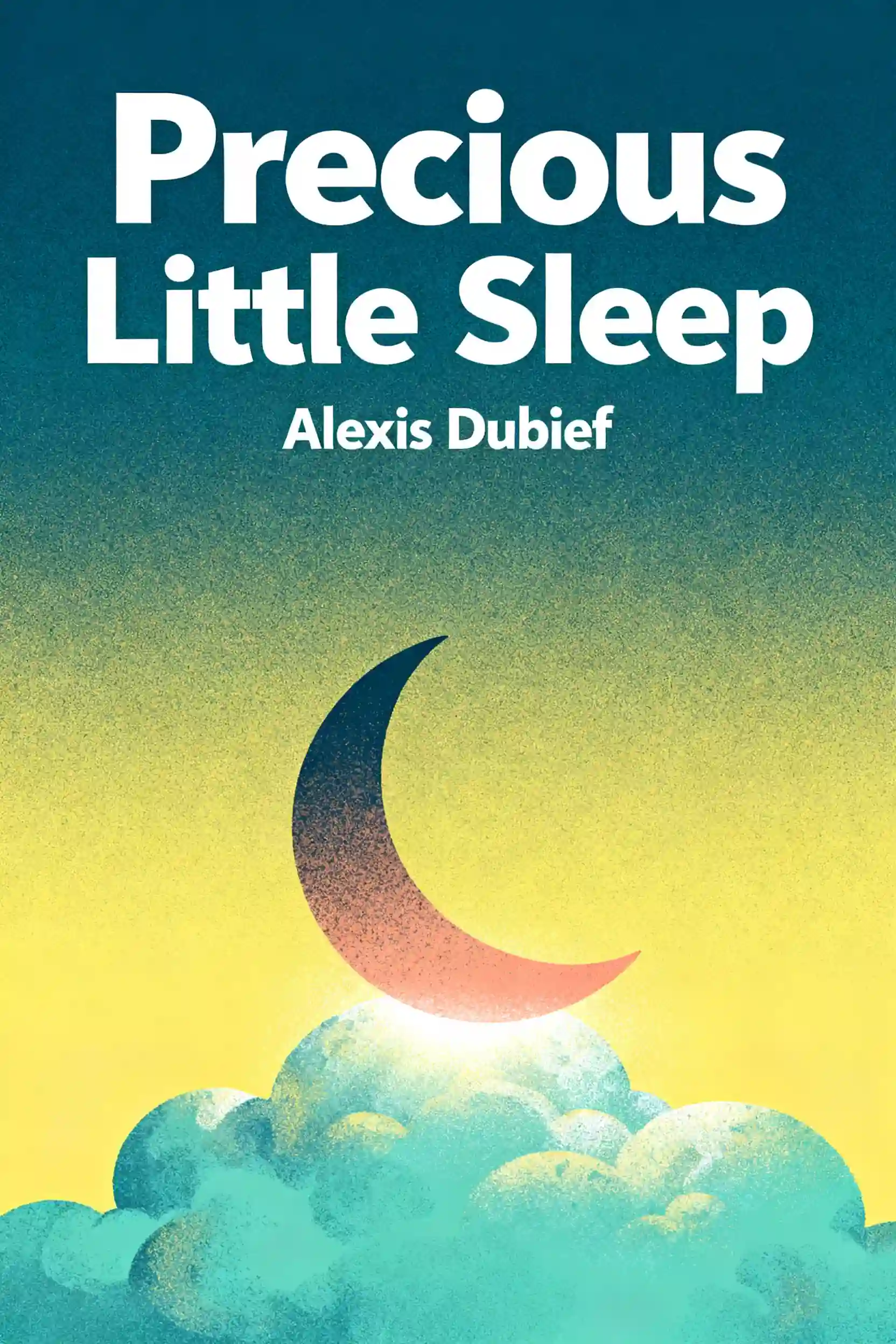
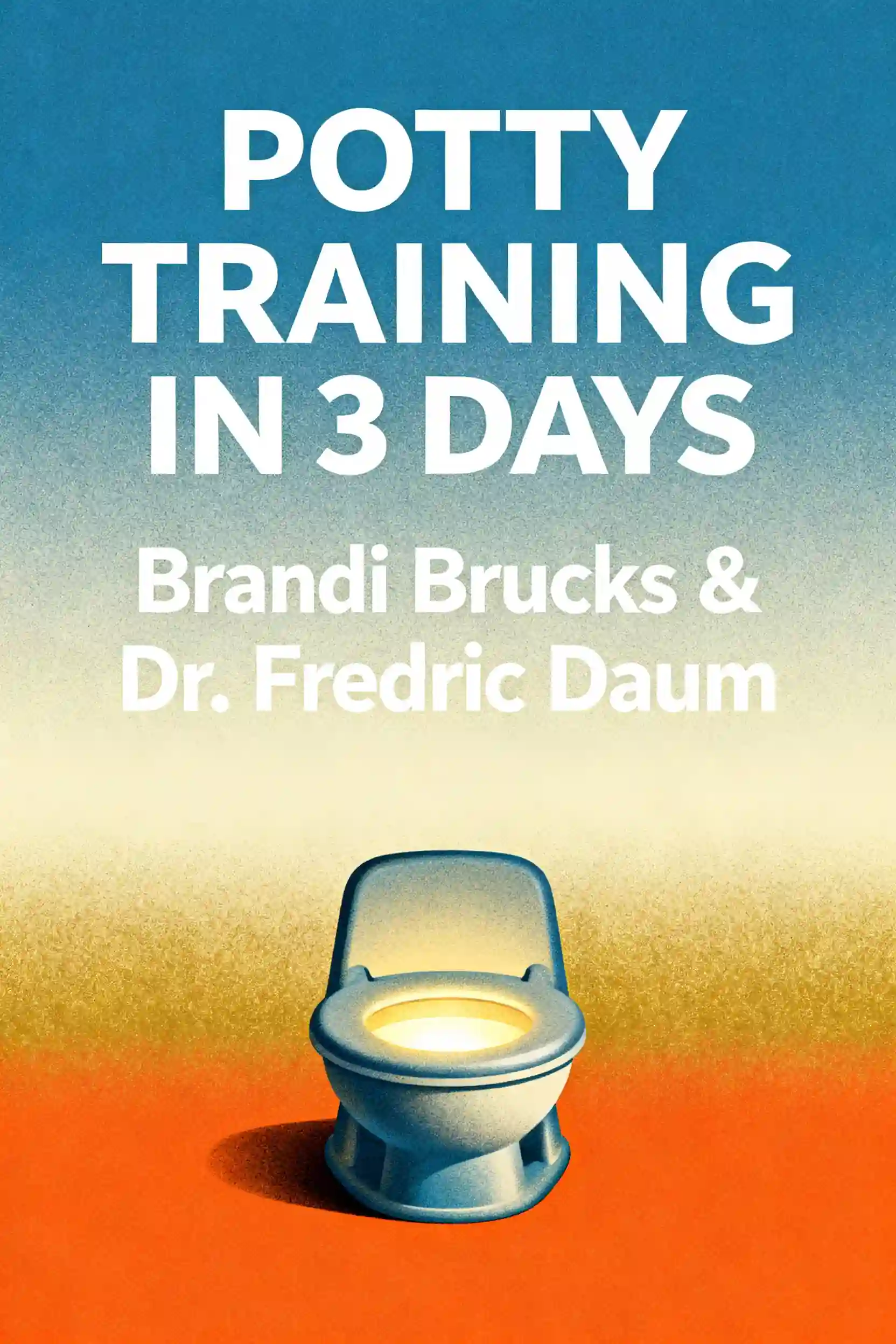
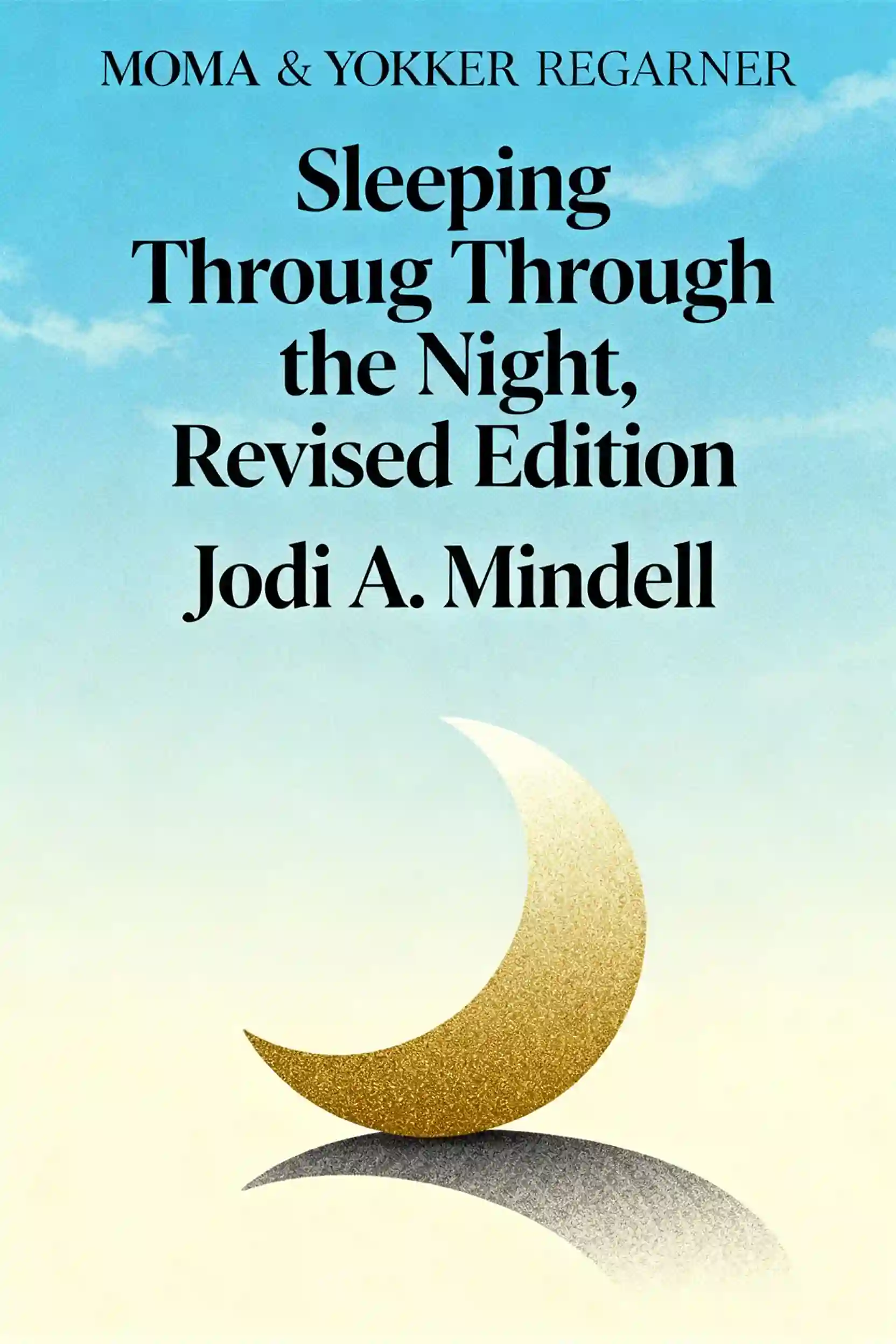
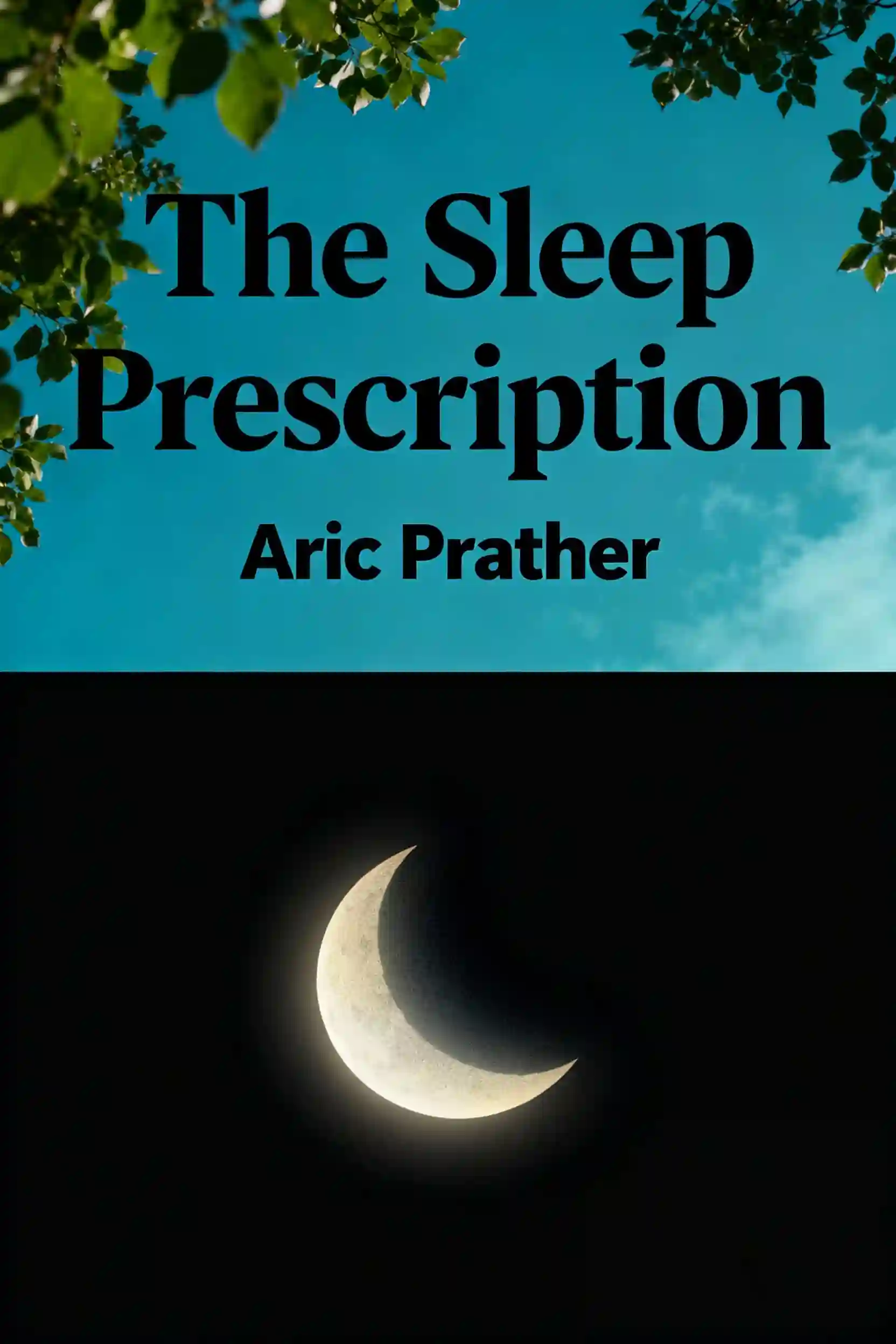
Discover more

Sleep and anxiety
Sleep and anxiety
This plan is essential for anyone trapped in the cycle of nighttime worry and daytime fatigue. It provides a science-based roadmap for professionals and individuals looking to regain control over their mental health and physical recovery through actionable cognitive tools.
Sleep better
Sleep better
Quality sleep is foundational to physical health, mental clarity, and emotional well-being, yet millions struggle with inconsistent or poor sleep that undermines their daily performance. This learning plan is ideal for anyone experiencing sleep difficulties, professionals seeking peak performance, or individuals wanting to understand and optimize one of life's most critical biological functions. Whether you're dealing with occasional sleeplessness or chronic sleep challenges, this structured approach provides science-backed strategies to reclaim restorative rest.

Sleep, Leadership & Self-Improvement
Sleep, Leadership & Self-Improvement
This plan is essential for high-achievers who struggle with burnout and want to align their physical well-being with professional excellence. It is designed for aspiring leaders and professionals looking to master the science of rest and habit formation to drive long-term success.

Learn stable AM/PM routines for better sleep
Learn stable AM/PM routines for better sleep
Consistent sleep routines are foundational to physical health, cognitive function, and emotional wellbeing, yet many people struggle with disrupted sleep patterns. This learning plan helps anyone experiencing sleep difficulties or energy fluctuations establish science-backed daily routines that work with their body's natural rhythms.

Overcome insomnia
Overcome insomnia
Insomnia affects millions of people and can seriously impact mental health, productivity, and overall quality of life. This learning plan is designed for anyone struggling with difficulty falling asleep, staying asleep, or waking too early, offering evidence-based solutions that address both the psychological and practical dimensions of sleep problems. Whether you experience occasional sleep disruptions or chronic insomnia, these structured approaches can help you reclaim restful nights without relying on medication.

Fitness, Nutrition, Sleep & Recovery Tips
Fitness, Nutrition, Sleep & Recovery Tips
This plan is essential for anyone seeking a holistic approach to health by integrating physical activity, science-based eating, and restorative sleep. It is ideal for busy professionals and wellness enthusiasts who want to build sustainable habits and improve their overall resilience.
Sleep, Fitness & Creativity Optimization
Sleep, Fitness & Creativity Optimization
This plan is designed for high-achievers and creative professionals who need to balance physical health with mental output. It provides a data-driven framework to synchronize biological rhythms, physical training, and cognitive flow for sustained excellence.
Neuroscience, Sleep & Productivity Study
Neuroscience, Sleep & Productivity Study
This plan bridges the gap between biological science and daily performance, offering a roadmap for anyone looking to master their mental output. It is ideal for professionals, students, and lifelong learners who want to replace burnout with science-backed cognitive optimization.
From Columbia University alumni built in San Francisco
"Instead of endless scrolling, I just hit play on BeFreed. It saves me so much time."


"I never knew where to start with nonfiction—BeFreed’s book lists turned into podcasts gave me a clear path."


"Perfect balance between learning and entertainment. Finished ‘Thinking, Fast and Slow’ on my commute this week."
"Crazy how much I learned while walking the dog. BeFreed = small habits → big gains."
"Reading used to feel like a chore. Now it’s just part of my lifestyle."

"Feels effortless compared to reading. I’ve finished 6 books this month already."
"BeFreed turned my guilty doomscrolling into something that feels productive and inspiring."

"BeFreed turned my commute into learning time. 20-min podcasts are perfect for finishing books I never had time for."
"BeFreed replaced my podcast queue. Imagine Spotify for books — that’s it. 🙌"

"It is great for me to learn something from the book without reading it."
"The themed book list podcasts help me connect ideas across authors—like a guided audio journey."
"Makes me feel smarter every time before going to work"
From Columbia University alumni built in San Francisco
"Instead of endless scrolling, I just hit play on BeFreed. It saves me so much time."
"I never knew where to start with nonfiction—BeFreed’s book lists turned into podcasts gave me a clear path."
"Perfect balance between learning and entertainment. Finished ‘Thinking, Fast and Slow’ on my commute this week."
"Crazy how much I learned while walking the dog. BeFreed = small habits → big gains."
"Reading used to feel like a chore. Now it’s just part of my lifestyle."
"Feels effortless compared to reading. I’ve finished 6 books this month already."
"BeFreed turned my guilty doomscrolling into something that feels productive and inspiring."
"BeFreed turned my commute into learning time. 20-min podcasts are perfect for finishing books I never had time for."
"BeFreed replaced my podcast queue. Imagine Spotify for books — that’s it. 🙌"
"It is great for me to learn something from the book without reading it."
"The themed book list podcasts help me connect ideas across authors—like a guided audio journey."
"Makes me feel smarter every time before going to work"
"Instead of endless scrolling, I just hit play on BeFreed. It saves me so much time."
"I never knew where to start with nonfiction—BeFreed’s book lists turned into podcasts gave me a clear path."
"Perfect balance between learning and entertainment. Finished ‘Thinking, Fast and Slow’ on my commute this week."
"Crazy how much I learned while walking the dog. BeFreed = small habits → big gains."
"Reading used to feel like a chore. Now it’s just part of my lifestyle."
"Feels effortless compared to reading. I’ve finished 6 books this month already."
"BeFreed turned my guilty doomscrolling into something that feels productive and inspiring."
"BeFreed turned my commute into learning time. 20-min podcasts are perfect for finishing books I never had time for."
"BeFreed replaced my podcast queue. Imagine Spotify for books — that’s it. 🙌"
"It is great for me to learn something from the book without reading it."
"The themed book list podcasts help me connect ideas across authors—like a guided audio journey."
"Makes me feel smarter every time before going to work"
"Instead of endless scrolling, I just hit play on BeFreed. It saves me so much time."
"I never knew where to start with nonfiction—BeFreed’s book lists turned into podcasts gave me a clear path."
"Perfect balance between learning and entertainment. Finished ‘Thinking, Fast and Slow’ on my commute this week."
"Crazy how much I learned while walking the dog. BeFreed = small habits → big gains."
"Reading used to feel like a chore. Now it’s just part of my lifestyle."
"Feels effortless compared to reading. I’ve finished 6 books this month already."
"BeFreed turned my guilty doomscrolling into something that feels productive and inspiring."
"BeFreed turned my commute into learning time. 20-min podcasts are perfect for finishing books I never had time for."
"BeFreed replaced my podcast queue. Imagine Spotify for books — that’s it. 🙌"
"It is great for me to learn something from the book without reading it."
"The themed book list podcasts help me connect ideas across authors—like a guided audio journey."
"Makes me feel smarter every time before going to work"


