
10 Strategies to Lead Better and Boost Engagement
Managers drive 70% of team engagement, yet many feel they're just treading water. Learn how to shift from a busy boss to an effective coach.

Best quote from 10 Strategies to Lead Better and Boost Engagement
The shift in 2026 is moving from being a 'busy manager' to an effective leader who acts as a catalyst, focusing on co-creating solutions and enabling others rather than just handing down instructions.

This audio lesson was created by a BeFreed community member
How to be the best supervisor, manager, leader, and trainer


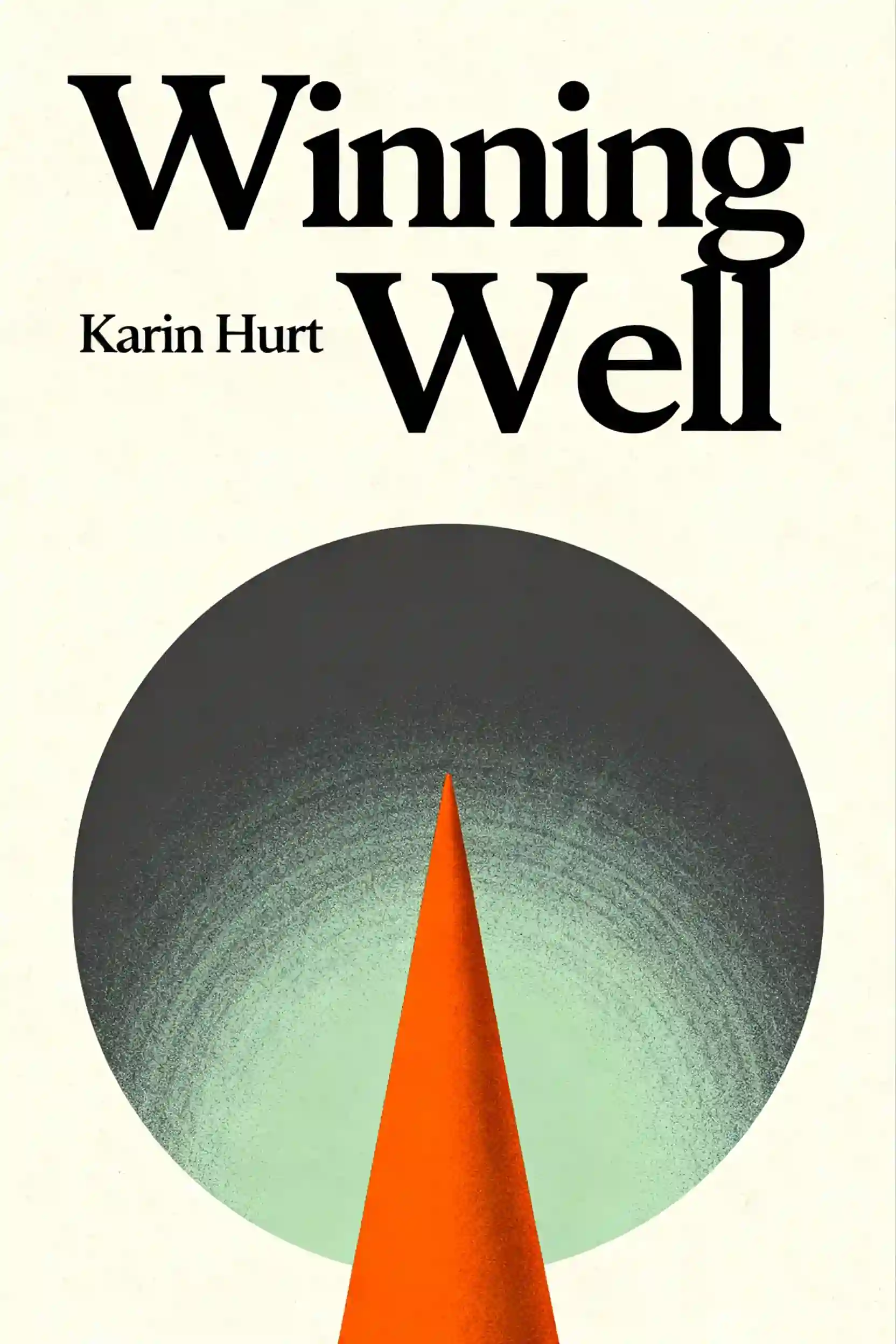
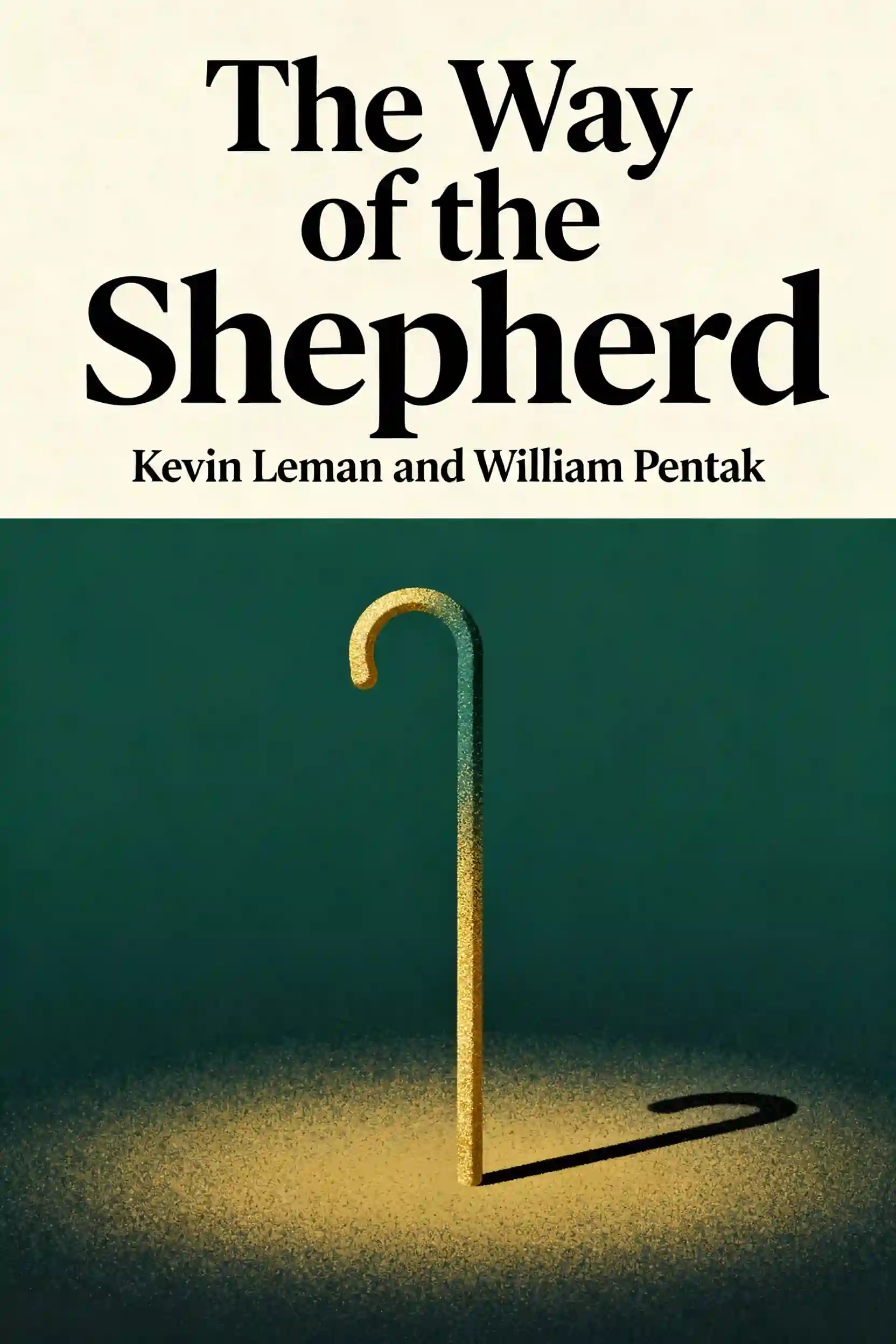
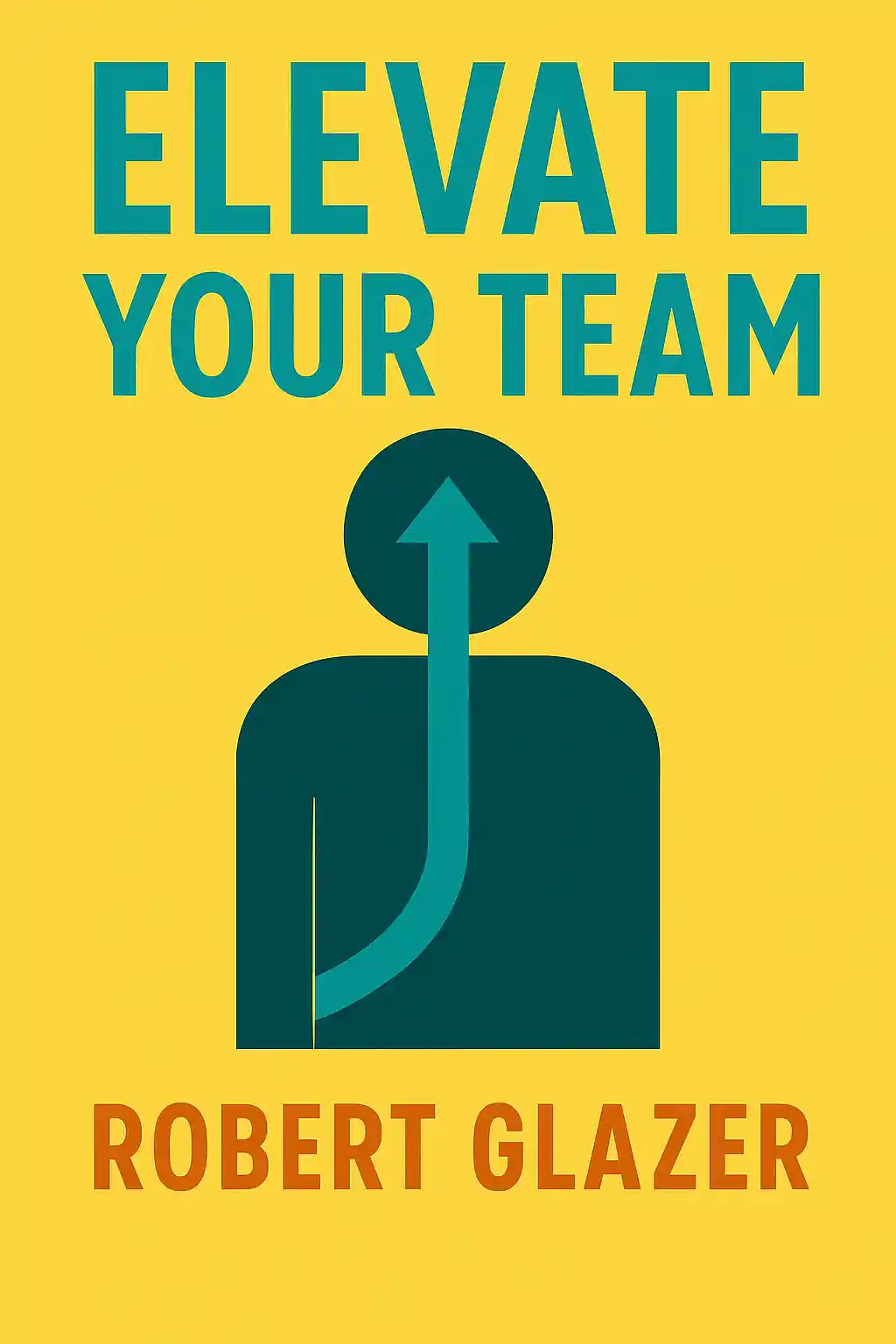
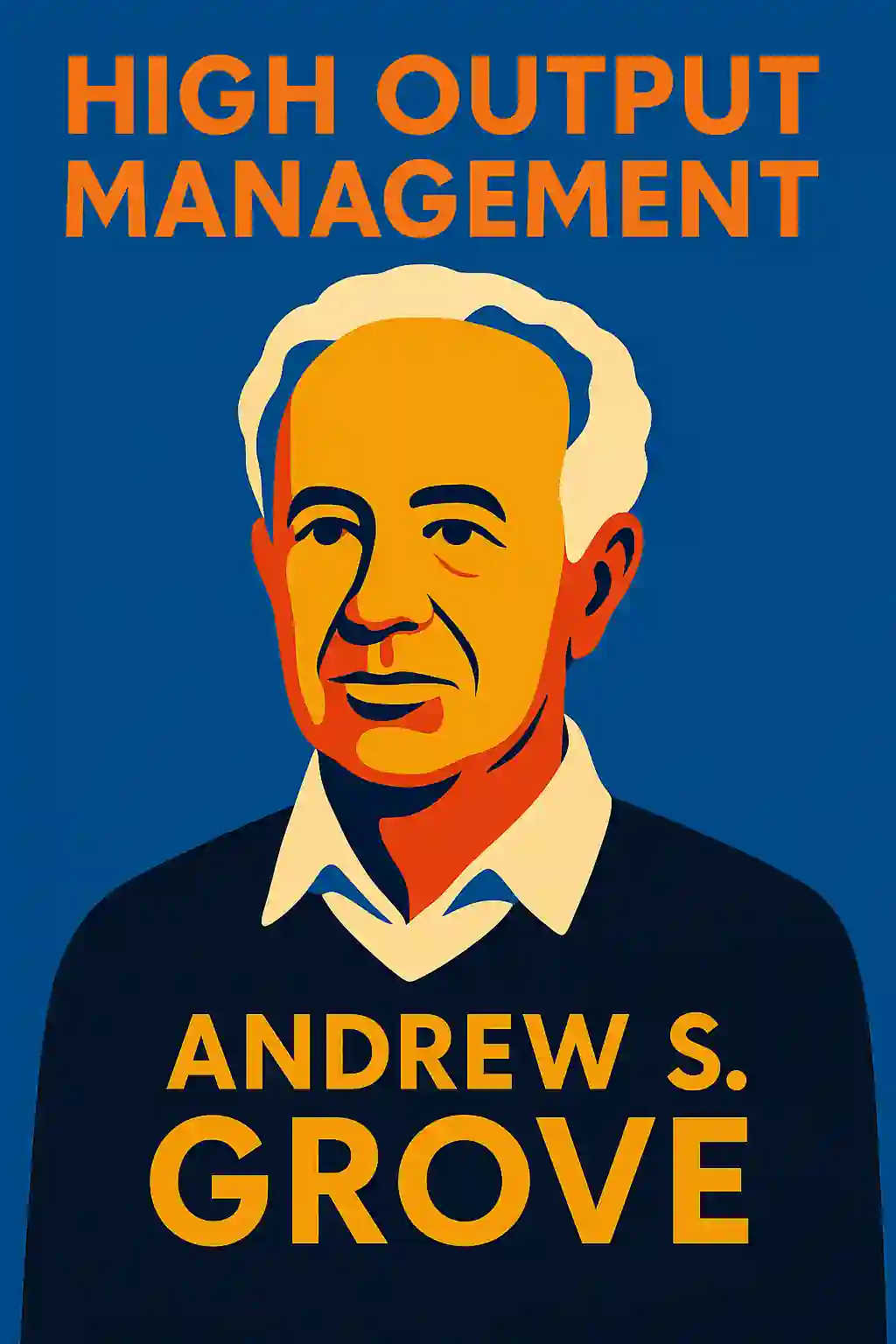
Frequently Asked Questions
The "busy manager" often falls into the trap of being a technical expert who micromanages tasks rather than leading people. In the 2026 landscape of hybrid work and high complexity, this "command and control" style fails because it doesn't scale and leads to low engagement. Research shows that managers account for 70% of the variance in employee engagement scores, and today’s workforce prefers a "coach" or "catalyst" who focuses on developing others rather than just delegating tasks.
Leadership Intelligence is a data-driven approach to professional development that replaces generic workshops with personalized growth. It is measured using objective assessments such as 360-degree feedback, personality profiles, and behavioral analytics to identify a manager's specific strengths and blind spots. By using platforms like ExecMQI to aggregate data from peers, reports, and supervisors, leaders can create a Personalized Development Plan that is significantly more effective at skill retention than traditional training.
Servant Leadership involves prioritizing the needs of the team to enable them to perform at their highest level, built on a foundation of trust, accountability, and support. Studies indicate that this approach has a statistically significant positive impact on work engagement, including employee vigor and dedication. By acting as a servant who removes roadblocks and fosters psychological safety, leaders can mitigate "quiet quitting" and encourage employees to provide the discretionary effort necessary for innovation.
Psychological safety is the belief that one will not be punished or humiliated for speaking up with ideas, questions, or mistakes. It is the single most important predictor of team performance. Managers can build this by modeling vulnerability—admitting when they don't have an answer or have made a mistake—and by conducting "blameless post-mortems" after failures. This shifts the team culture from "proving" intelligence to "improving" through experimentation and open feedback.
The transition from individual contributor to leader requires a fundamental shift from "me" to "we." Key tactical skills include Strategic Delegation, where tasks are used as developmental tools for the team, and Communication Excellence, which utilizes techniques like "mirroring" and a "questioning style" of leadership. Additionally, new managers must master conflict resolution, decision-making under pressure, and performance coaching to ensure that feedback is a continuous, real-time process rather than a once-a-year surprise.
Discover more

Lead Business Teams & Coach Productivity
Lead Business Teams & Coach Productivity
This plan is designed for managers and executives looking to evolve from supervisors into high-impact coaches. It bridges the gap between basic team management and strategic organizational transformation, making it ideal for leaders in fast-growing companies.

Lead better to drive client success
Lead better to drive client success
In today’s market, technical skill isn't enough; leaders must bridge the gap between team management and client outcomes. This plan is designed for emerging and established managers who want to drive business growth through strategic execution and relationship excellence.

Lead Better: Manager Skills
Lead Better: Manager Skills
This learning plan provides a complete leadership development journey for managers at all levels, from those making their first transition into management to executives scaling organizations. It addresses the most critical leadership challenges—building credibility, developing people, driving change, and multiplying impact—with practical frameworks that deliver immediate results while building long-term strategic capabilities.
Lead Team & Optimize Performance
Lead Team & Optimize Performance
In today's volatile business landscape, the ability to transition from a manager to a strategic leader is essential for organizational survival. This plan is designed for emerging leaders and senior managers who need to master the balance between human-centric coaching and high-level strategic transformation.

Lead, Communicate, Boost Mindset & Output
Lead, Communicate, Boost Mindset & Output
This learning plan is designed for emerging leaders and professionals looking to bridge the gap between technical expertise and high-level management. It provides a holistic framework for personal mastery and operational excellence, making it essential for anyone aiming to scale their impact and lead high-performing teams.
Understand Others and Lead Effectively
Understand Others and Lead Effectively
This plan is essential for emerging and established leaders who need to bridge the gap between technical skill and interpersonal influence. It provides a roadmap for mastering the human side of management to drive meaningful organizational transformation.
I want to learn how to be a good leader
I want to learn how to be a good leader
This plan is essential for emerging and established managers who want to transition from individual contributors to influential visionaries. It provides a comprehensive roadmap for mastering the human and strategic elements required to lead modern, high-performing teams.

Lead, Improve & Build Habits
Lead, Improve & Build Habits
This learning plan is essential for aspiring and established leaders who want to bridge the gap between strategy and execution. It is designed for professionals seeking to integrate psychological insights with operational systems to build high-performing, adaptable organizations.
From Columbia University alumni built in San Francisco
"Instead of endless scrolling, I just hit play on BeFreed. It saves me so much time."


"I never knew where to start with nonfiction—BeFreed’s book lists turned into podcasts gave me a clear path."


"Perfect balance between learning and entertainment. Finished ‘Thinking, Fast and Slow’ on my commute this week."
"Crazy how much I learned while walking the dog. BeFreed = small habits → big gains."
"Reading used to feel like a chore. Now it’s just part of my lifestyle."

"Feels effortless compared to reading. I’ve finished 6 books this month already."
"BeFreed turned my guilty doomscrolling into something that feels productive and inspiring."

"BeFreed turned my commute into learning time. 20-min podcasts are perfect for finishing books I never had time for."
"BeFreed replaced my podcast queue. Imagine Spotify for books — that’s it. 🙌"

"It is great for me to learn something from the book without reading it."
"The themed book list podcasts help me connect ideas across authors—like a guided audio journey."
"Makes me feel smarter every time before going to work"
From Columbia University alumni built in San Francisco
"Instead of endless scrolling, I just hit play on BeFreed. It saves me so much time."
"I never knew where to start with nonfiction—BeFreed’s book lists turned into podcasts gave me a clear path."
"Perfect balance between learning and entertainment. Finished ‘Thinking, Fast and Slow’ on my commute this week."
"Crazy how much I learned while walking the dog. BeFreed = small habits → big gains."
"Reading used to feel like a chore. Now it’s just part of my lifestyle."
"Feels effortless compared to reading. I’ve finished 6 books this month already."
"BeFreed turned my guilty doomscrolling into something that feels productive and inspiring."
"BeFreed turned my commute into learning time. 20-min podcasts are perfect for finishing books I never had time for."
"BeFreed replaced my podcast queue. Imagine Spotify for books — that’s it. 🙌"
"It is great for me to learn something from the book without reading it."
"The themed book list podcasts help me connect ideas across authors—like a guided audio journey."
"Makes me feel smarter every time before going to work"
"Instead of endless scrolling, I just hit play on BeFreed. It saves me so much time."
"I never knew where to start with nonfiction—BeFreed’s book lists turned into podcasts gave me a clear path."
"Perfect balance between learning and entertainment. Finished ‘Thinking, Fast and Slow’ on my commute this week."
"Crazy how much I learned while walking the dog. BeFreed = small habits → big gains."
"Reading used to feel like a chore. Now it’s just part of my lifestyle."
"Feels effortless compared to reading. I’ve finished 6 books this month already."
"BeFreed turned my guilty doomscrolling into something that feels productive and inspiring."
"BeFreed turned my commute into learning time. 20-min podcasts are perfect for finishing books I never had time for."
"BeFreed replaced my podcast queue. Imagine Spotify for books — that’s it. 🙌"
"It is great for me to learn something from the book without reading it."
"The themed book list podcasts help me connect ideas across authors—like a guided audio journey."
"Makes me feel smarter every time before going to work"
"Instead of endless scrolling, I just hit play on BeFreed. It saves me so much time."
"I never knew where to start with nonfiction—BeFreed’s book lists turned into podcasts gave me a clear path."
"Perfect balance between learning and entertainment. Finished ‘Thinking, Fast and Slow’ on my commute this week."
"Crazy how much I learned while walking the dog. BeFreed = small habits → big gains."
"Reading used to feel like a chore. Now it’s just part of my lifestyle."
"Feels effortless compared to reading. I’ve finished 6 books this month already."
"BeFreed turned my guilty doomscrolling into something that feels productive and inspiring."
"BeFreed turned my commute into learning time. 20-min podcasts are perfect for finishing books I never had time for."
"BeFreed replaced my podcast queue. Imagine Spotify for books — that’s it. 🙌"
"It is great for me to learn something from the book without reading it."
"The themed book list podcasts help me connect ideas across authors—like a guided audio journey."
"Makes me feel smarter every time before going to work"


![10 Essential Skills for Managers | ☑️ [2026 Update]](/_next/image?url=https%3A%2F%2Fd1y2du6z1jfm9e.cloudfront.net%2Fassets%2Fpodcast%2Fblue.png&w=1024&q=50)


